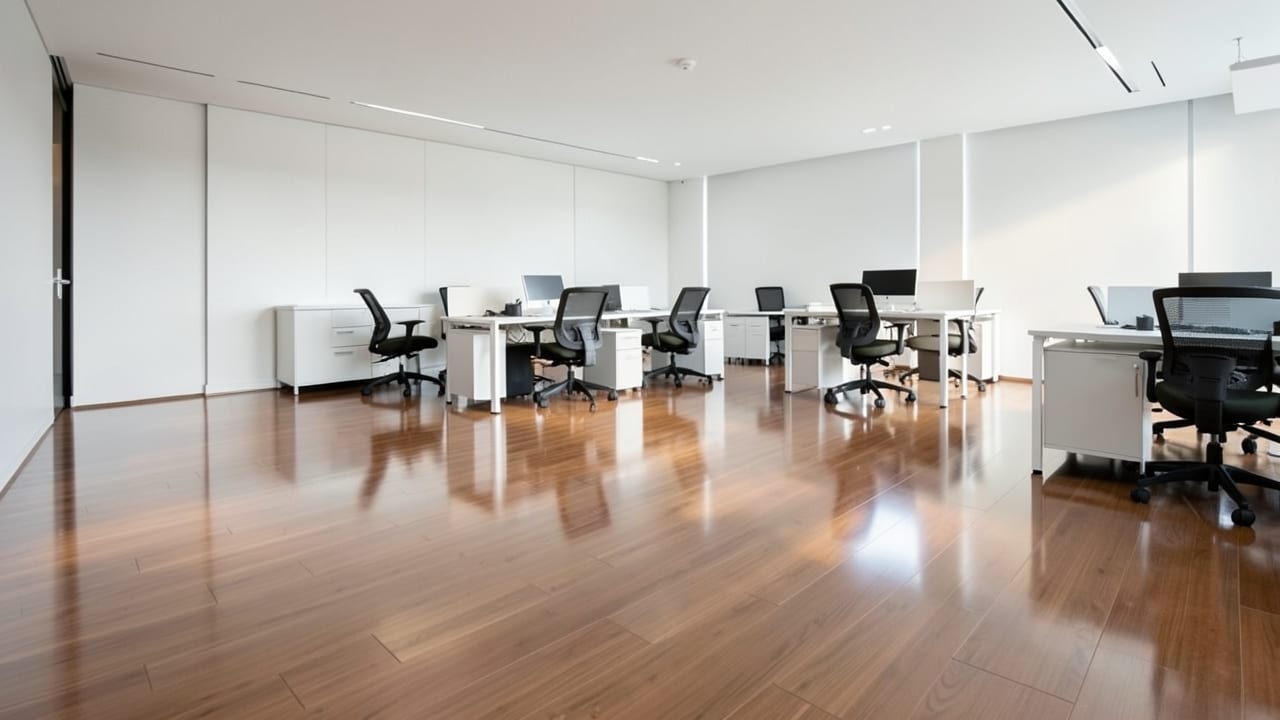
Vinyl Flooring Mold Treatment
Professional mold treatment and removal for vinyl flooring in homes.
In Pacific Beach, vinyl flooring mold treatment targets hidden or surface mold beneath or on vinyl surfaces, addressing both visible growth and hidden moisture issues. This process involves containment, removal of affected materials, HEPA filtration, structural drying, and clearance testing to ensure the problem is addressed thoroughly and safely.
Proper treatment helps prevent mold recurrence by fixing moisture sources and improving airflow in affected areas.
We also handle HVAC Mold Remediation and Drywall Mold Remediation for Pacific Beach properties.
When is vinyl flooring mold treatment needed?
Mold on vinyl flooring often signals a deeper issue, especially when it covers more than a small, isolated patch. In California, mold growth exceeding 25 contiguous square feet typically requires professional remediation, as it indicates hidden moisture problems.
If mold keeps returning after cleaning, the moisture source—like a leak or poor ventilation—has likely not been addressed.
Musty odors with no visible mold, or smells that worsen when the HVAC runs, suggest hidden growth in walls, subflooring, or ductwork. Rooms with persistent dampness, such as windowless bathrooms or basements, are high-risk areas where mold can thrive without visible signs.
Signs You Need Professional Mold Treatment
- Mold covering more than a small, isolated patch (especially over 25 sq ft).
- Mold that keeps returning after cleaning or treatment.
- Musty smells with no visible mold, or odors that worsen with HVAC use.
- Persistent dampness in rooms with poor airflow (e.g., closets, basements).
- Visible mold on vinyl flooring combined with warping, peeling, or bubbling.
What affects the cost and timeline?
The cost of vinyl flooring mold treatment depends on the size of the affected area, the severity of the mold, and whether hidden growth requires structural repairs.
Surface-level mold on vinyl or tile typically costs between $600 and $2,400 per room, while black mold or extensive subfloor damage can increase costs by 15-25%. Confirming the moisture source and fixing it adds to the timeline but prevents future recurrence.
Containment, HEPA filtration, and clearance testing are critical steps that impact both cost and duration. Skipping these can lead to incomplete remediation and higher long-term expenses. Always verify whether a quote includes inspection, testing, and clearance—these steps are often priced separately.
What to expect during the process
Professional mold remediation for vinyl flooring follows strict protocols to prevent cross-contamination. The work area is sealed with plastic sheeting and negative-air machines to contain spores, while HEPA-filtered equipment ensures spores are captured—not recirculated.
Porous materials like drywall or carpet padding are removed if mold has penetrated deeply, while non-porous surfaces are cleaned and treated.
After removal, industrial dehumidifiers and air movers dry the structure to prevent regrowth. An independent clearance test confirms spore levels are back to normal before containment is removed. Fixing the moisture source—whether a leak, condensation, or grading issue—is essential to prevent future mold.
| Step | Purpose | Equipment Used |
|---|---|---|
| Containment | Prevents spores from spreading to unaffected areas | Plastic sheeting, negative-air machines |
| Removal | Eliminates mold from porous materials (e.g., drywall) or cleans non-porous surfaces (e.g., vinyl) | HEPA vacuums, antimicrobial treatments |
| HEPA Filtration | Captures airborne spores during removal | HEPA air scrubbers, HEPA vacuums |
| Structural Drying | Reduces moisture to prevent regrowth | Industrial dehumidifiers, air movers |
| Clearance Testing | Verifies spore levels are safe before reoccupying the space | Independent air/surface sampling |
How vinyl flooring mold treatment works
This process ensures mold is removed safely and the moisture source is addressed to prevent recurrence.
- 1Containment Setup
The work area is sealed with plastic sheeting and negative-air machines to prevent spores from spreading to other parts of the home.
- 2Mold Removal and Cleaning
Porous materials like drywall or carpet padding are removed if mold has penetrated deeply, while non-porous surfaces like vinyl are cleaned with antimicrobial treatments.
- 3HEPA Filtration and Vacuuming
HEPA-filtered air scrubbers and vacuums capture airborne spores during removal, ensuring they are not recirculated into the home.
- 4Structural Drying
Industrial dehumidifiers and air movers dry the affected area to normal moisture levels, preventing mold regrowth.
- 5Clearance Testing
An independent test confirms spore levels are back to normal before containment is removed and the space is considered safe.
Frequently asked questions
What are the first signs that mold is growing beneath my vinyl flooring?
Look for musty odors, warping or bubbling in the vinyl, or mold appearing in adjacent areas like baseboards. Persistent dampness in the room or a musty smell that worsens with HVAC use are also red flags.
Can I clean mold off vinyl flooring myself, or should I call a professional?
For small, isolated patches, you can clean vinyl with a vinegar or bleach solution (diluted properly). However, if the mold covers more than 25 sq ft, keeps returning, or you smell it without seeing it, professional remediation is recommended to address hidden moisture.
How long does it take to remediate mold under vinyl flooring?
The timeline varies based on the size of the affected area and whether structural repairs are needed. Containment, removal, drying, and testing typically take 2–5 days, but complex cases may require longer.
Will fixing the mold under my vinyl flooring also prevent future issues?
Fixing the moisture source—such as leaks, poor ventilation, or grading issues—is critical to preventing mold recurrence. Professional remediation includes addressing these underlying problems to help the finish last longer.
See Dryden Historic District, CA for more, or find out about every option available in Pacific Beach on a single page for our complete lineup.
Ready to get started?
Talk to a local mold remediation pro in Pacific Beach — get a written quote.
Other Mold Remediation Services in Pacific Beach
HVAC Mold Remediation in Pacific Beach, CA
HVAC and ductwork mold remediation in Pacific Beach, CA — mold growing inside the air handler or duct system, spreading through every vent.
Learn More
Drywall Mold Remediation in Pacific Beach, CA
Professional removal and treatment of mold growth behind or on drywall surfaces.
Learn More
Bathroom Mold Removal in Pacific Beach, CA
Professional assessment and removal of mold in bathrooms to restore a safe, clean environment.
Learn More
Garage Mold Removal in Pacific Beach, CA
Professional assessment and removal of mold growth in garages to restore a safe, clean space.
Learn More
Laundry Room Mold Cleanup in Pacific Beach, CA
Professional mold removal and remediation in laundry rooms to restore a safe, clean space.
Learn More
Plaster Mold Remediation in Pacific Beach, CA
Professional removal and treatment of mold from plaster surfaces in homes.
Learn MoreCommon Questions About Mold Remediation in Pacific Beach
Everything you need to know about mold remediation services in Pacific Beach
How much does Vinyl Flooring Mold Treatment typically cost in Pacific Beach, CA?
Does coastal humidity around Pacific Beach, CA change how mold risk is assessed?
What's the actual difference between mold removal and mold remediation?
Is a final clearance test part of a typical mold remediation job?
How does mold remediation actually prevent the problem from coming back?
Can mold growing inside HVAC ductwork spread to the rest of a home?
Need Mold Remediation in Pacific Beach?
Connect with local providers in Pacific Beach for a detailed quote.
⏰ We answer your call • Serving all of Pacific Beach and surrounding areas