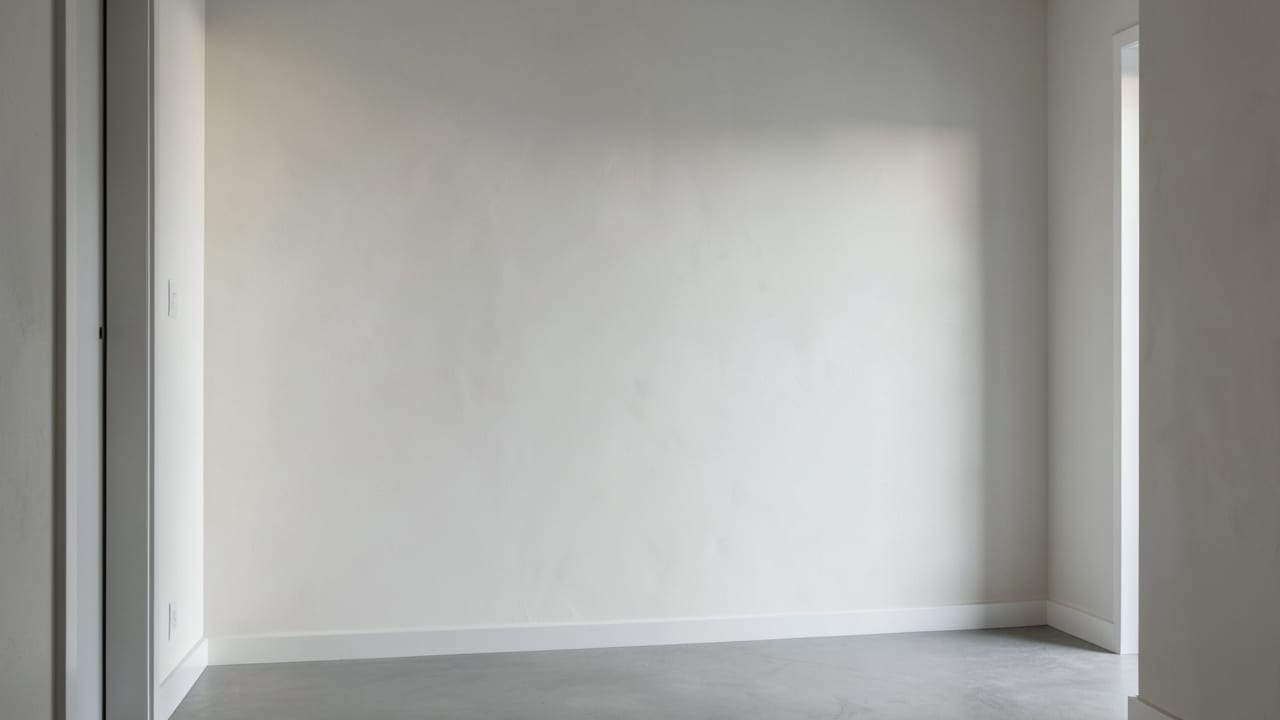
Plaster Mold Remediation
Professional removal and treatment of mold from plaster surfaces in homes.
Plaster mold remediation in Pacific Beach, CA, addresses hidden and visible mold growth in plaster walls and ceilings, a common issue in coastal homes where humidity and moisture create ideal conditions for spores.
The process involves containment, safe removal of affected materials, and thorough cleaning to prevent regrowth, ensuring your home’s air quality and structural integrity are restored.
We also handle Mold & Asbestos Testing and HVAC Mold Remediation for Pacific Beach properties.
When is plaster mold remediation needed?
Mold on plaster often starts as a small, isolated patch but can quickly spread behind walls or ceilings if moisture issues persist. Visible signs include discoloration, musty odors, or recurring mold after cleaning.
In Pacific Beach’s humid climate, hidden growth—especially in windowless areas or behind shower walls—is a common but often overlooked problem. Ignoring it risks structural damage and poor indoor air quality.
If mold covers more than a small area, keeps returning after cleaning, or emits a strong smell even when no visible growth exists, it’s time for professional remediation. DIY methods may temporarily address surface mold but rarely eliminate hidden spores or fix moisture sources, leading to regrowth.
Signs You Need Plaster Mold Remediation
- Mold covers more than 25 contiguous square feet (a common threshold for professional intervention).
- Cleaned mold returns within weeks or months, indicating an unresolved moisture source.
- A musty smell lingers in a room even after cleaning, suggesting hidden growth behind walls or under flooring.
- Visible mold appears in multiple rooms, especially those with poor airflow (closets, bathrooms, basements).
- Condensation or water stains appear near mold-affected areas, signaling ongoing dampness.
How pricing and scope affect costs
Pricing for plaster mold remediation in Pacific Beach varies based on the size of the affected area, the extent of mold growth, and whether hidden moisture sources require additional work.
Surface-level mold on drywall or tile typically costs less than remediation involving structural materials like plaster, which may require partial wall or ceiling replacement. Confirmed black mold cases often carry a higher price due to stricter containment and disposal protocols.
Labor costs also depend on whether containment, HEPA filtration, and clearance testing are included. Some providers bundle these services, while others charge extra for each step. Always ask for a written scope of work to avoid unexpected costs later.
What to watch for in a remediation provider
Not all mold remediation providers follow the same standards, and skipping critical steps can leave your home vulnerable to recurring growth. Containment, HEPA filtration, and clearance testing are non-negotiable for effective remediation.
A provider who rushes these steps—or worse, skips them entirely—may save money upfront but risk spreading spores or leaving hidden mold untouched.
Ask whether the provider uses independent lab testing to confirm mold species and clearance after work is complete. Some companies rely on in-house tests, which may not be as rigorous.
Additionally, verify that the contractor is licensed under California’s Contractors State License Board (CSLB) for jobs over $500, as required by state law.
| Red Flag | Why It Matters |
|---|---|
| Verbal estimate with no written scope of work | Lack of clarity on what’s included can lead to unexpected costs or incomplete remediation. |
| Pressure to sign a contract during the inspection | A legitimate scope of work requires time to review; rushing may hide exclusions or limitations. |
| No mention of post-remediation clearance testing | Without independent verification, there’s no confirmation the mold was fully removed. |
| Full payment requested before work begins | Paying upfront removes leverage if the job isn’t completed as promised. |
| Vague area estimates (e.g., ‘whole basement’ instead of square footage) | Makes it difficult to compare bids accurately or identify overcharging. |
How plaster mold remediation works
Remediation follows a structured process to safely remove mold and prevent regrowth.
- 1Containment
Plastic sheeting and negative-air machines seal off the work area to prevent spores from spreading during removal. This step is critical for keeping unaffected areas of your home clean.
- 2Removal of Affected Materials
Porous materials like plaster, drywall, or insulation that absorb mold are cut out and disposed of in sealed bags. Non-porous surfaces (e.g., tile, framing) are scrubbed and treated to kill remaining spores.
- 3HEPA Filtration and Cleanup
HEPA air scrubbers run continuously to capture airborne spores, and surfaces are vacuumed with HEPA-filtered equipment to ensure spores aren’t recirculated into the air.
- 4Structural Drying
Industrial dehumidifiers and air movers dry framing and subfloors to prevent mold from returning due to lingering moisture.
- 5Clearance Testing
An independent lab tests air or surfaces post-remediation to confirm spore levels are within safe ranges before containment is removed.
Frequently asked questions
Can I clean small patches of mold on plaster myself, or should I call a professional?
Small, isolated patches (under 25 square feet) can often be cleaned with detergent and water, but plaster mold frequently hides behind surfaces. If the mold keeps returning or you notice musty smells, professional remediation is recommended to address hidden growth and moisture sources.
How long does plaster mold remediation typically take?
The timeline depends on the size of the affected area and whether hidden mold or moisture issues are found. Surface-level remediation may take a day, while larger or complex jobs (e.g., behind walls or ceilings) can take several days to complete.
Will my home need repairs after mold remediation?
Repairs may be necessary if plaster, drywall, or insulation is removed during remediation. The provider should discuss these needs upfront and provide a written scope of work to avoid surprises.
How can I prevent mold from coming back after remediation?
Fixing the moisture source (leaks, condensation, poor grading) is the best prevention. Use dehumidifiers or fans in persistently damp areas, and monitor humidity levels in the first year post-remediation to catch early signs of recurrence.
See Rancho Encantada, CA for more, or check out what's included in our Pacific Beach service for our complete lineup.
Ready to get started?
Talk to a local mold remediation pro in Pacific Beach — get a written quote.
Other Mold Remediation Services in Pacific Beach
Mold & Asbestos Testing in Pacific Beach, CA
Combined mold and asbestos testing in Pacific Beach, CA — one inspection visit, lab-verified results for both.
Learn More
HVAC Mold Remediation in Pacific Beach, CA
HVAC and ductwork mold remediation in Pacific Beach, CA — mold growing inside the air handler or duct system, spreading through every vent.
Learn More
Drywall Mold Remediation in Pacific Beach, CA
Professional removal and treatment of mold growth behind or on drywall surfaces.
Learn More
Bathroom Mold Removal in Pacific Beach, CA
Professional assessment and removal of mold in bathrooms to restore a safe, clean environment.
Learn More
Garage Mold Removal in Pacific Beach, CA
Professional assessment and removal of mold growth in garages to restore a safe, clean space.
Learn More
Laundry Room Mold Cleanup in Pacific Beach, CA
Professional mold removal and remediation in laundry rooms to restore a safe, clean space.
Learn MoreCommon Questions About Mold Remediation in Pacific Beach
Everything you need to know about mold remediation services in Pacific Beach
How much does Plaster Mold Remediation typically cost in Pacific Beach, CA?
Does coastal humidity around Pacific Beach, CA change how mold risk is assessed?
Does homeowners insurance typically cover mold remediation?
Is black mold actually more dangerous than other mold types?
How long does a typical mold remediation job take?
Is it safe to stay in the home during mold remediation?
Need Mold Remediation in Pacific Beach?
Connect with local providers in Pacific Beach for a detailed quote.
⏰ We answer your call • Serving all of Pacific Beach and surrounding areas