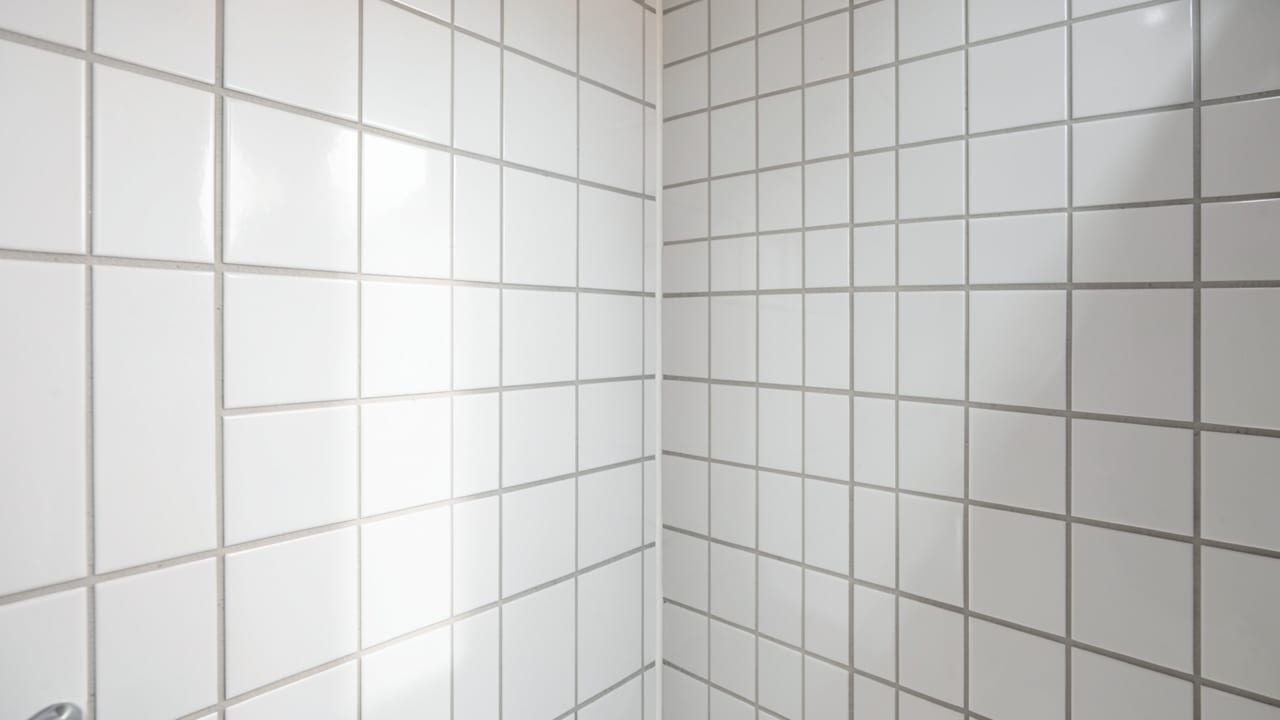
Bathroom Mold Removal
Professional assessment and removal of mold in bathrooms to restore a safe, clean environment.
Bathroom mold removal in Pacific Beach, CA, targets hidden and visible mold growth in showers, walls, and under flooring to prevent spread and regrowth. Proper remediation includes containment, removal of affected materials, HEPA filtration, and moisture control to address the root cause and restore a safe environment.
When to call for professional mold removal
Bathroom mold often starts small but can quickly become a larger issue if left unchecked. Visible mold covering more than a small patch—typically over 25 square feet—is a clear sign that professional remediation is needed.
We also handle Condo Mold Remediation and Restaurant Mold Remediation for Pacific Beach properties.
Recurring mold in the same spot after cleaning suggests an unresolved moisture source, while a musty smell without visible growth may indicate hidden mold behind walls or under flooring.
Poor airflow in windowless bathrooms or damp closets can also contribute to persistent mold. If you notice mold spreading despite cleaning efforts, or if it reappears shortly after treatment, it’s time to address the problem with professional help.
Ignoring these signs can lead to structural damage and health concerns over time.
Signs You Need Professional Mold Removal
- Mold covers more than 25 square feet in a single area (California’s threshold for professional intervention).
- Visible mold keeps returning after cleaning, indicating an unresolved moisture issue.
- A musty smell persists even after cleaning surfaces, suggesting hidden mold growth.
- Mold is present in multiple rooms or behind walls, floors, or ceilings.
- You or household members experience respiratory symptoms (coughing, sneezing, or irritation) when in the bathroom.
What affects cost and timeline?
The scope of the job, including the size of the affected area and the extent of hidden mold, directly impacts pricing and duration. Removing mold from drywall, insulation, or carpeting requires cutting out and replacing contaminated materials, which adds to both time and cost.
Black mold (Stachybotrys chartarum) may also increase costs by 15-25% due to additional safety precautions and treatment requirements.
Containment, HEPA filtration, and clearance testing are standard steps that ensure thorough remediation but are often priced separately. Jobs requiring structural drying or fixing moisture sources—such as leaks or poor ventilation—may extend the timeline and increase costs further.
Why containment and testing matter
Containment prevents mold spores from spreading to unaffected areas during remediation. Plastic sheeting and negative-air machines seal the workspace, ensuring spores stay contained. Without proper containment, spores can drift into hallways, HVAC systems, or other rooms, turning a small job into a larger cleanup.
Clearance testing after remediation confirms that spore levels are back to normal. Independent lab testing verifies the work’s effectiveness, but some providers skip this step, leaving no proof the mold is fully gone. Always ask if clearance testing is included in the quote.
Beware of bids that exclude containment, clearance testing, or a written scope of work. Pressure to sign contracts during the inspection visit or requests for full upfront payment before work begins are also warning signs of potential issues.
How bathroom mold removal works
Professional remediation follows a structured process to safely eliminate mold and prevent regrowth.
- 1Containment Setup
Plastic sheeting and negative-air machines seal the bathroom to prevent spores from spreading during removal. This step keeps the work area isolated from the rest of the home.
- 2Removal of Contaminated Materials
Porous materials like drywall, insulation, or carpeting—where mold has grown deep—are cut out and bagged for disposal. Non-porous surfaces like tile or framing are cleaned and treated instead.
- 3HEPA Filtration and Cleanup
HEPA-filtered air scrubbers run continuously to capture airborne spores, and surfaces are vacuumed with HEPA-equipped tools. Standard vacuums or non-HEPA filters recirculate spores, making them ineffective.
- 4Structural Drying
Industrial dehumidifiers and air movers dry framing and subflooring to normal moisture levels. Mold regrows on damp materials, so drying is critical to long-term prevention.
- 5Clearance Testing
An independent lab tests air or surfaces post-remediation to confirm spore levels are back to normal. This step ensures the mold is fully addressed before containment is removed.
Frequently asked questions
What’s the difference between cleaning mold myself and hiring a professional?
DIY cleaning may remove surface mold but often misses hidden growth behind walls or under flooring. Professionals use containment, HEPA filtration, and clearance testing to ensure thorough removal and prevent regrowth.
How do I know if my bathroom mold is black mold?
Black mold appears dark greenish-black and often has a slimy texture. If you suspect black mold, professional testing can confirm the species, as treatment may differ slightly from other mold types.
Will my insurance cover bathroom mold removal?
Coverage depends on your policy and whether the mold resulted from a covered event, like a burst pipe. Check with your insurer first, as some policies exclude mold-related claims or require specific documentation.
How can I prevent mold from coming back after remediation?
Fix the moisture source—leaks, poor ventilation, or high humidity—and use dehumidifiers or fans in damp areas. Regularly check for leaks or condensation, especially in windowless bathrooms or closets.
See Alvarado Estates, CA for more, or discover our complete Pacific Beach service list before booking for our complete lineup.
Ready to get started?
Talk to a local mold remediation pro in Pacific Beach — get a written quote.
Other Mold Remediation Services in Pacific Beach
Condo Mold Remediation in Pacific Beach, CA
Professional removal and treatment of mold in condominiums to restore safe, healthy living spaces.
Learn More
Restaurant Mold Remediation in Pacific Beach, CA
Professional mold removal and remediation for restaurant spaces to ensure safety and compliance.
Learn More
Hotel Mold Remediation in Pacific Beach, CA
Professional removal and treatment of mold growth in hotel properties to restore safe, clean environments.
Learn More
Gym Mold Remediation in Pacific Beach, CA
Professional removal and treatment of mold in gyms to restore safe, clean environments.
Learn More
Fire Smoke Mold Remediation in Pacific Beach, CA
Professional cleanup and restoration of fire, smoke, and mold damage in homes.
Learn More
Pest Infestation Mold Remediation in Pacific Beach, CA
Professional mold removal and remediation for pest-related infestations in homes.
Learn MoreCommon Questions About Mold Remediation in Pacific Beach
Everything you need to know about mold remediation services in Pacific Beach
How much does Bathroom Mold Removal typically cost in Pacific Beach, CA?
Does coastal humidity around Pacific Beach, CA change how mold risk is assessed?
How long does a typical mold remediation job take?
Is it safe to stay in the home during mold remediation?
Can small mold problems be handled without hiring anyone?
What's the actual difference between mold removal and mold remediation?
Need Mold Remediation in Pacific Beach?
Connect with local providers in Pacific Beach for a detailed quote.
⏰ We answer your call • Serving all of Pacific Beach and surrounding areas