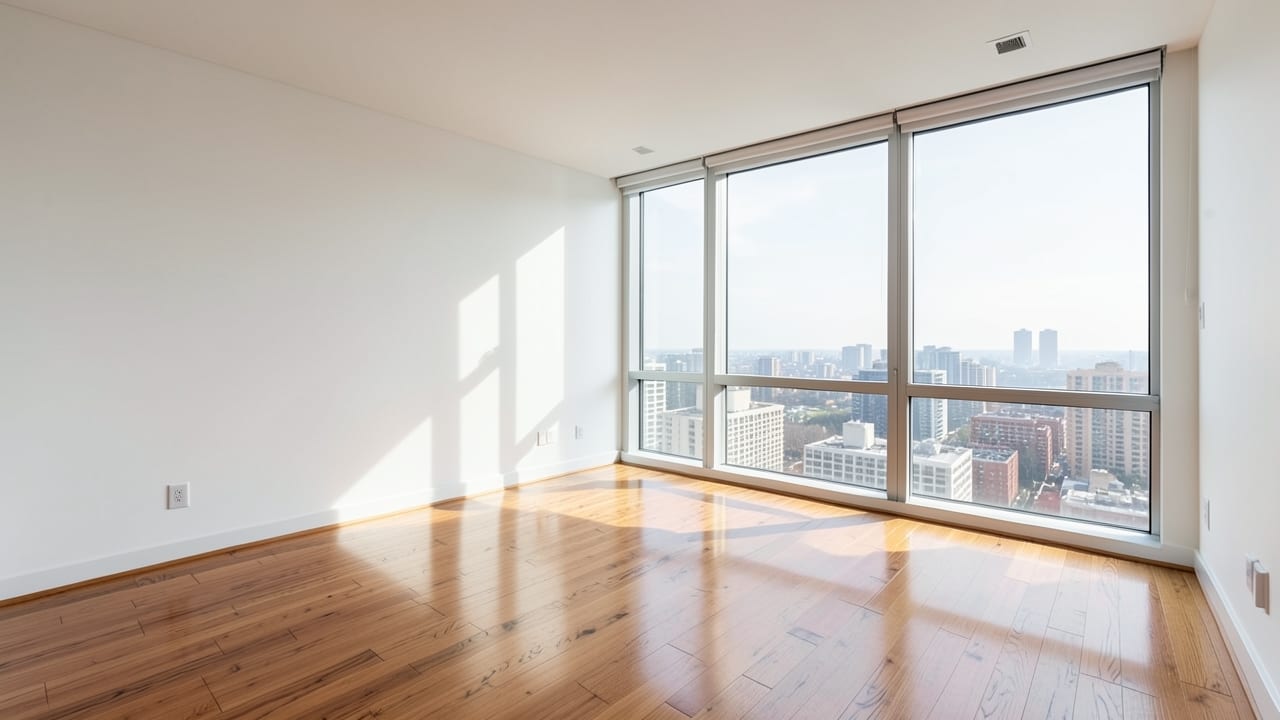
Condo Mold Remediation
Professional removal and treatment of mold in condominiums to restore safe, healthy living spaces.
Condo mold remediation in Pacific Beach, CA addresses hidden mold growth in shared or individual units by removing contaminated materials, containing spores during cleanup, and fixing moisture sources to prevent recurrence. Proper ventilation and moisture control are critical for long-term results in the area’s humid coastal climate.
When to call for mold remediation
Mold covering more than a small, isolated patch—typically over 25 contiguous square feet—often requires professional removal rather than DIY cleaning.
We also handle Spring Mold Inspection and Post-Remediation Sealing for Pacific Beach properties.
In Pacific Beach, where humidity and coastal air can accelerate growth, signs like recurring mold in the same spot or a musty smell with no visible source may indicate hidden contamination.
A musty odor that worsens when the HVAC system runs often points to mold spreading through ductwork, while damp rooms like closets or windowless bathrooms are high-risk zones. If cleaning doesn’t stop regrowth, the moisture source likely hasn’t been addressed.
Signs Mold Remediation Is Needed
- Mold covers more than 25 square feet in one area (a common threshold for professional work).
- Mold keeps returning after cleaning, even in the same spot.
- A musty smell exists with no visible mold—suggesting hidden growth in walls, under floors, or in ducts.
- Damp areas (closets, bathrooms, basements) stay persistently humid despite ventilation.
How mold remediation is priced
Pricing for condo mold remediation in Pacific Beach depends on the size of the affected area, the type of materials involved, and whether hidden moisture sources need fixing.
Unlike commercial projects, residential work is typically billed per square foot of contaminated space, with additional costs for containment, testing, and structural drying.
A job that includes containment, HEPA filtration, and clearance testing will cost more upfront but helps prevent spores from spreading during cleanup. Skipping these steps can lead to higher costs later if the mold returns or spreads.
What happens during remediation?
Professional remediation starts with sealing off the contaminated area using plastic sheeting and negative-air machines to prevent spores from spreading. Porous materials like drywall and insulation are removed and disposed of, while non-porous surfaces are cleaned and treated. Industrial dehumidifiers and air movers dry structural materials to prevent regrowth.
After cleanup, an independent clearance test confirms spore levels are back to normal before the containment is removed. Fixing the moisture source—such as repairing leaks or improving ventilation—is essential to keep the area mold-free long-term.
Skipping containment or using non-HEPA equipment can spread spores to unaffected areas. Removing mold without fixing the moisture source often leads to regrowth within months.
How condo mold remediation works
Remediation follows a structured process to safely remove mold and prevent recurrence.
- 1Containment Setup
The work area is sealed with plastic sheeting and negative-air machines to trap spores during removal, preventing them from spreading to other parts of the unit.
- 2Material Removal
Porous materials like drywall and insulation, which absorb mold, are cut out and bagged. Non-porous surfaces like tile and framing are scrubbed and treated instead of discarded.
- 3Structural Drying
Industrial dehumidifiers and air movers reduce moisture in framing and subfloors to normal levels, as mold regrows on damp surfaces even after visible traces are removed.
- 4HEPA Filtration
HEPA air scrubbers run continuously during cleanup, and surfaces are vacuumed with HEPA-filtered tools to capture spores rather than recirculating them into the air.
- 5Clearance Testing
An independent lab tests air or surface samples to confirm spore counts are within normal ranges before containment is removed, ensuring the work is complete.
Frequently asked questions
How do I know if my mold problem is too big for DIY cleaning?
If mold covers more than 25 square feet or keeps returning after cleaning, professional remediation is recommended. Hidden growth—like mold behind walls or in ducts—often requires specialized tools and containment to address safely.
Will fixing the mold also solve the moisture problem?
Remediation removes existing mold, but fixing the moisture source—such as repairing leaks or improving ventilation—is critical to prevent regrowth. A musty smell or damp spots after cleanup may indicate the issue isn’t fully resolved.
Do I need to be home during the remediation process?
While you don’t need to stay, it’s best to avoid the area until containment is removed and clearance testing confirms the space is safe. Some steps, like structural drying, may require the unit to be vacant temporarily.
How long does the entire remediation process take?
The timeline varies by job size and complexity, but containment, removal, drying, and testing typically take 2–5 days. Small, isolated patches may resolve faster, while larger or hidden mold can extend the process.
See Downtown San Diego, CA for more, or discover everything on offer in Pacific Beach in one place for our complete lineup.
Ready to get started?
Talk to a local mold remediation pro in Pacific Beach — get a written quote.
Other Mold Remediation Services in Pacific Beach
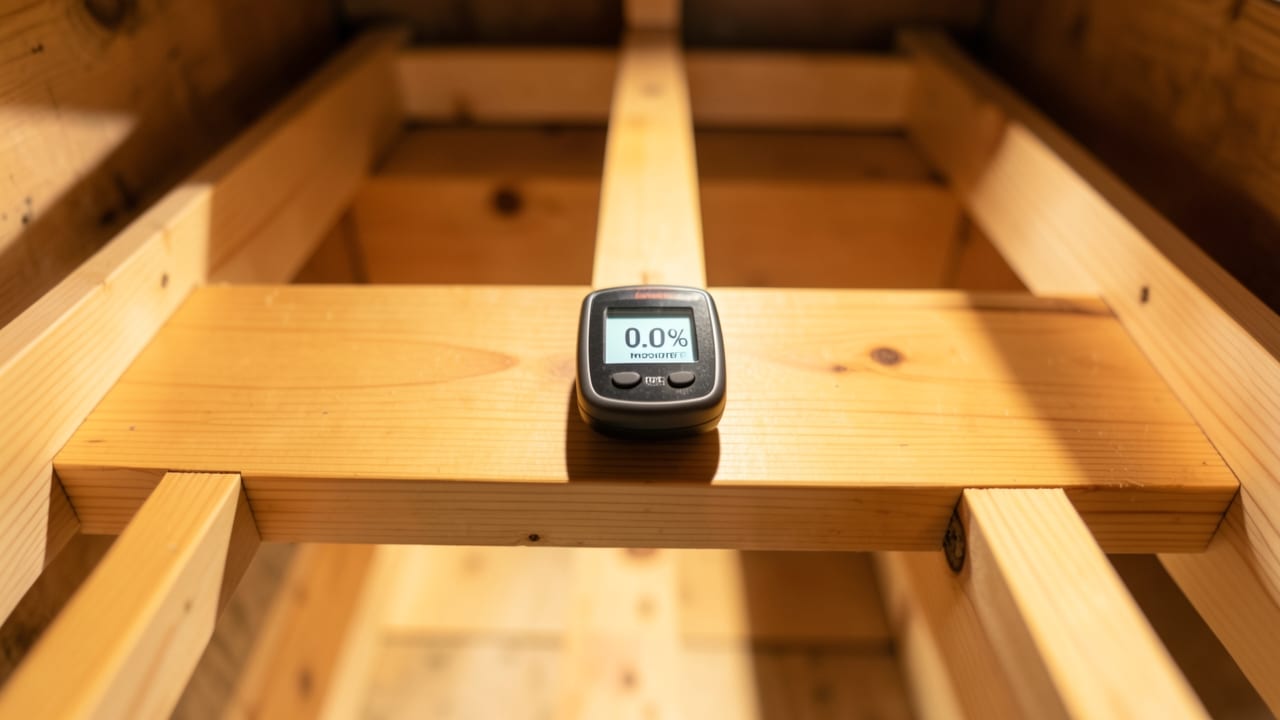
Spring Mold Inspection in Pacific Beach, CA
Professional assessment and identification of mold growth in homes.
Learn More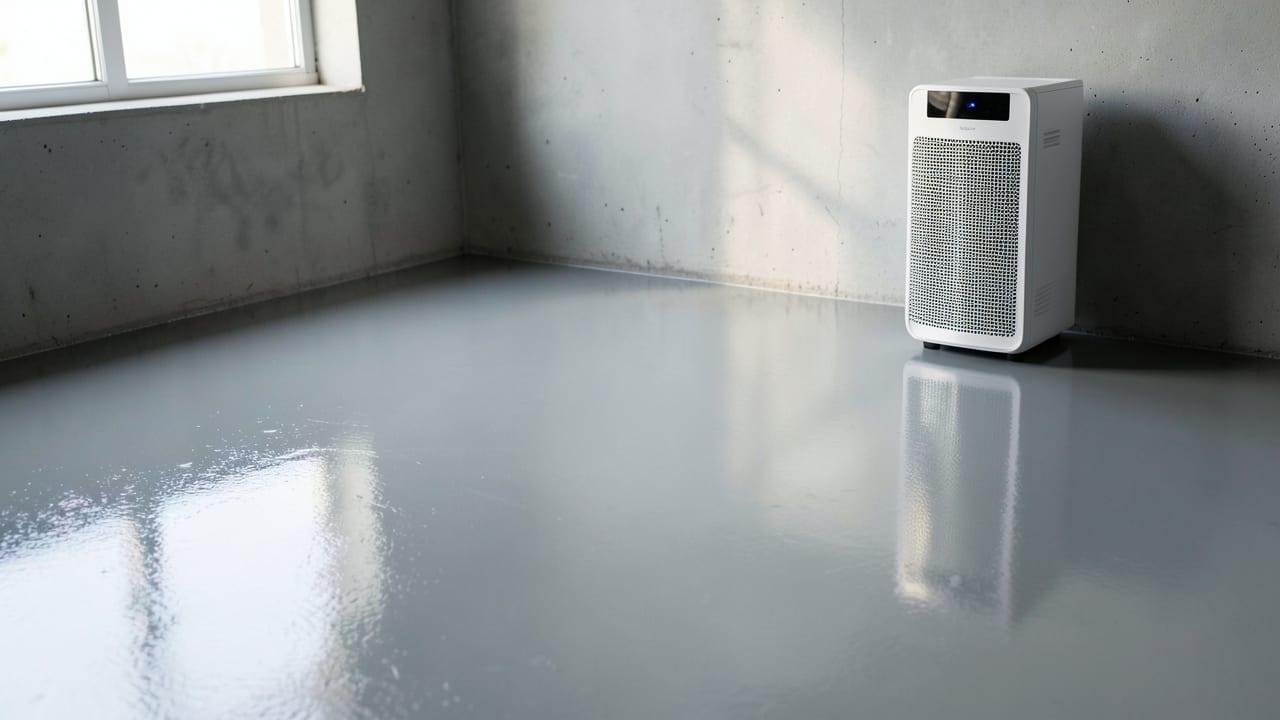
Post-Remediation Sealing in Pacific Beach, CA
Applying protective sealants to surfaces after mold remediation to prevent future growth.
Learn More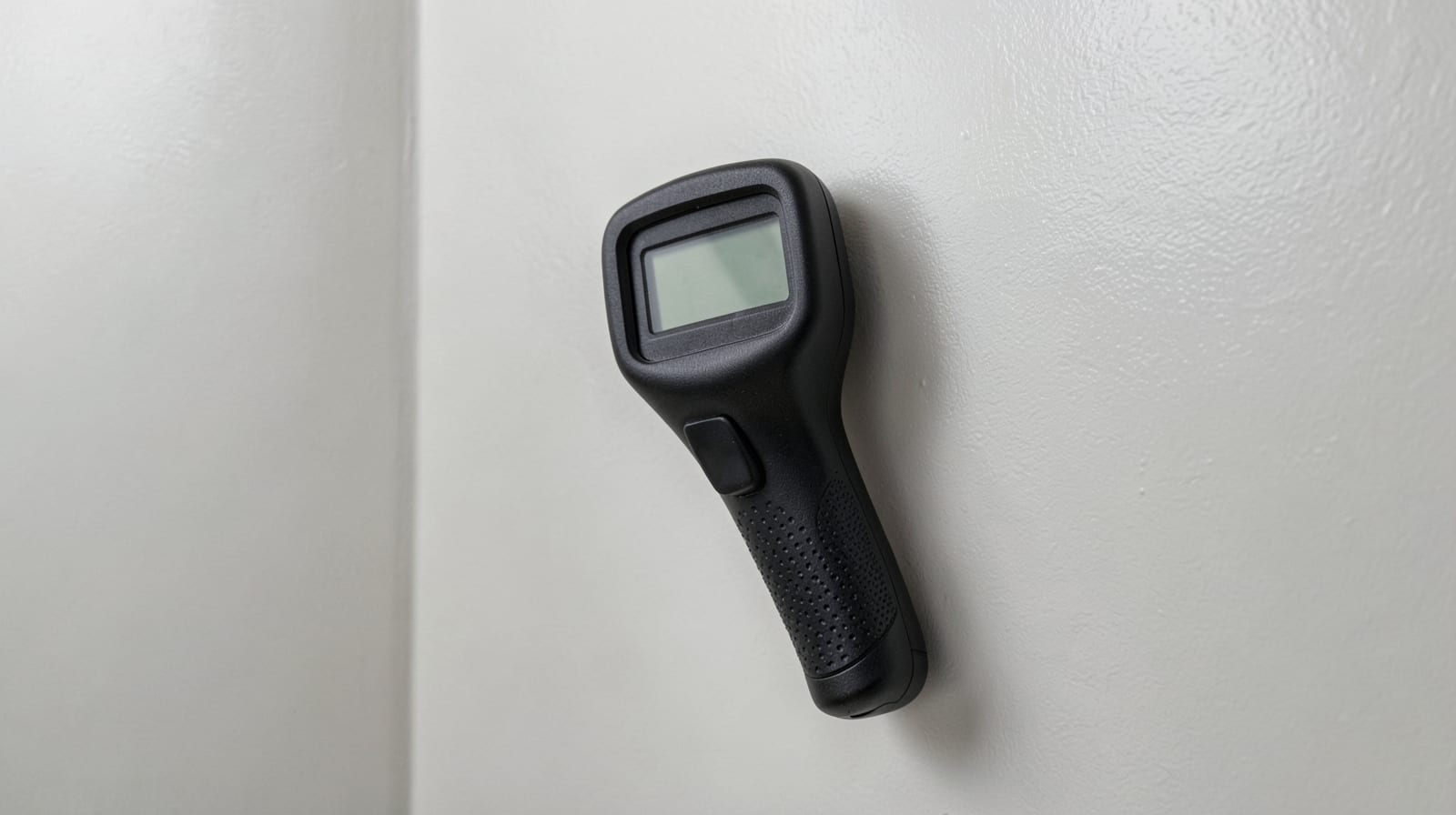
Mold Inspection in Pacific Beach, CA
Mold inspection in Pacific Beach, CA — a visual and moisture-meter assessment that finds the source of growth, not just the visible spot on the wall.
Learn More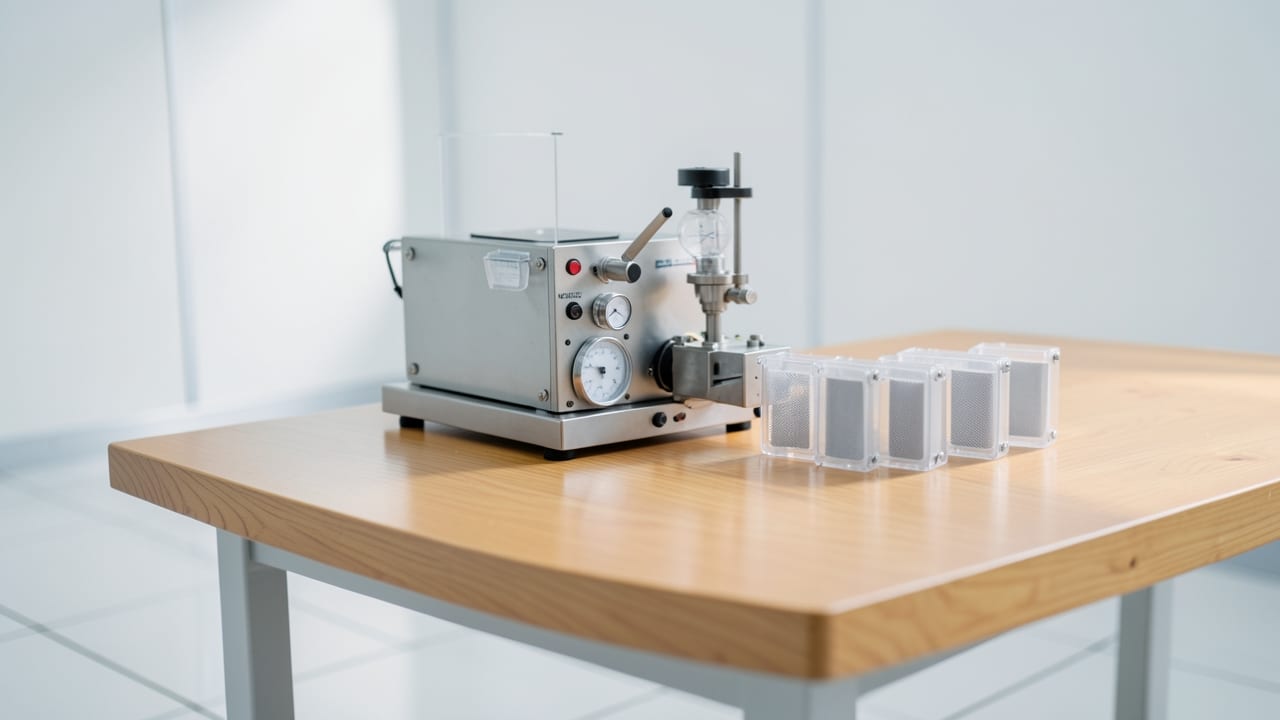
Mold Testing & Air Quality Testing in Pacific Beach, CA
Mold and indoor air quality testing in Pacific Beach, CA — lab-analyzed air and surface samples confirm what's actually growing and whether it's airborne.
Learn More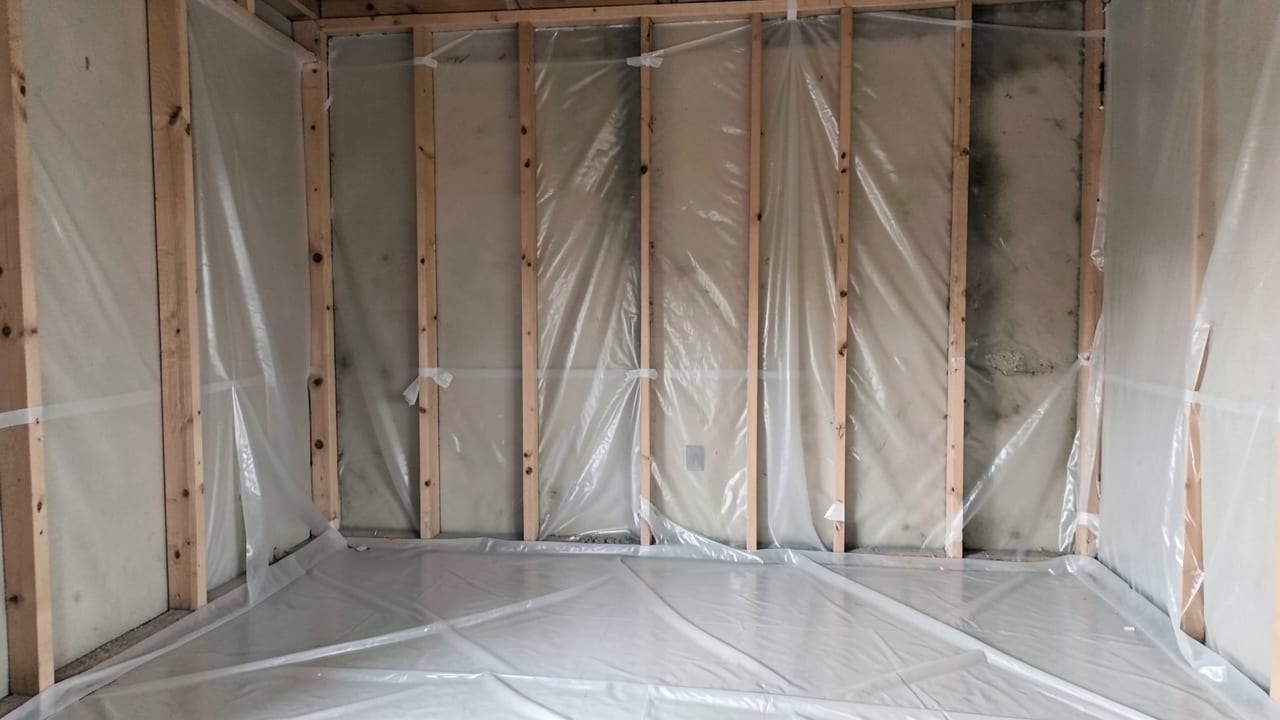
Mold Removal & Remediation in Pacific Beach, CA
Mold removal and remediation in Pacific Beach, CA — containment, HEPA filtration, and removal of affected material following industry (IICRC S520) protocol.
Learn More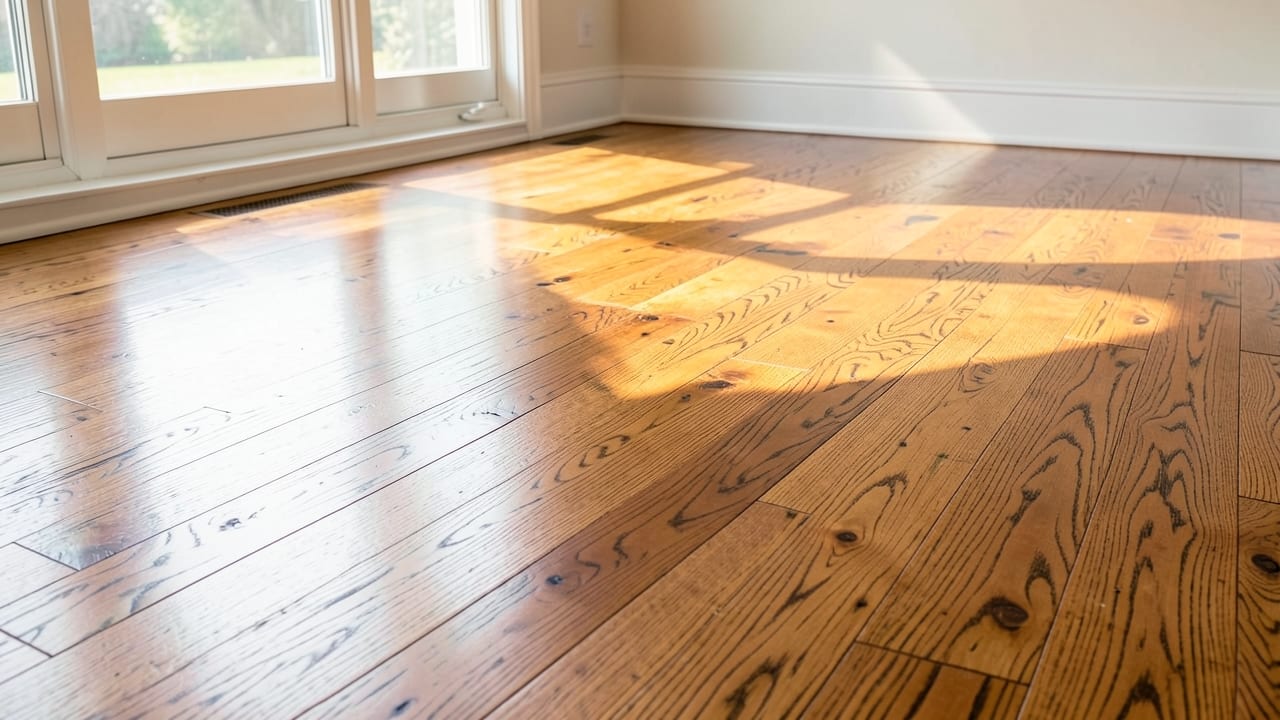
Water Damage Restoration in Pacific Beach, CA
Water damage restoration in Pacific Beach, CA — extraction and structural drying to stop mold growth before it starts, following a leak, storm, or flood.
Learn MoreCommon Questions About Mold Remediation in Pacific Beach
Everything you need to know about mold remediation services in Pacific Beach
How much does Condo Mold Remediation typically cost in Pacific Beach, CA?
Does coastal humidity around Pacific Beach, CA change how mold risk is assessed?
Can mold growing inside HVAC ductwork spread to the rest of a home?
Does mold mean the same thing as mildew?
Does homeowners insurance typically cover mold remediation?
Is black mold actually more dangerous than other mold types?
Need Mold Remediation in Pacific Beach?
Connect with local providers in Pacific Beach for a detailed quote.
⏰ We answer your call • Serving all of Pacific Beach and surrounding areas