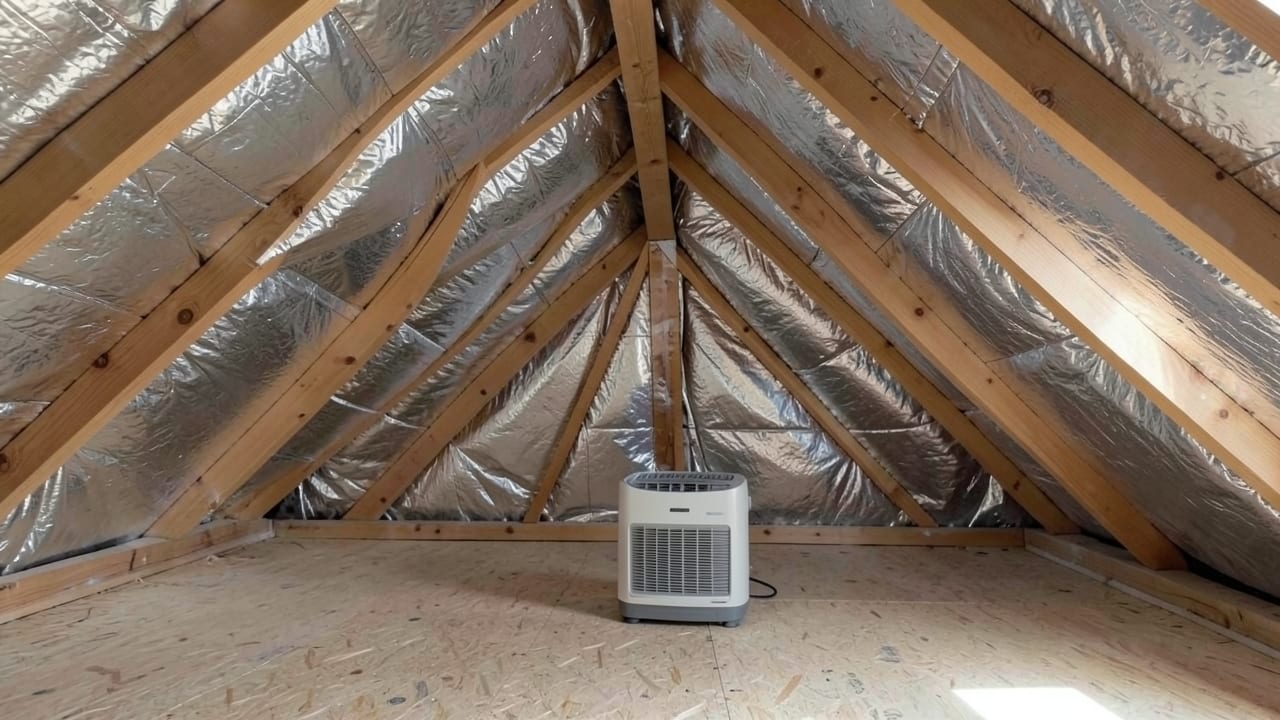
Pre-Winter Mold Prevention
Pre-winter mold prevention involves inspection and treatment to stop mold growth before cold weather.
Pre-winter mold prevention in Pacific Beach, CA, focuses on addressing moisture-prone areas like attics, basements, and crawl spaces before cooler temperatures increase humidity risks. This service includes sealing leaks, improving ventilation, and applying preventive treatments to vulnerable surfaces, helping to avoid mold growth before the rainy season begins.
When to act: signs you need pre-winter mold prevention
Mold growth often starts small but can spread quickly if left unchecked. In Pacific Beach, where coastal humidity and seasonal temperature shifts create ideal conditions, certain signs indicate it’s time to act.
We also handle Closet Mold Cleanup and HOA Mold Remediation for Pacific Beach properties.
Visible mold covering more than a small patch, recurring growth in the same spot, or a persistent musty smell—especially when HVAC systems are running—are clear indicators that moisture is present and mold is likely hidden behind surfaces.
Rooms with poor airflow, such as windowless bathrooms or enclosed closets, are particularly vulnerable.
If you notice condensation on windows, damp spots on walls, or a smell that lingers even after cleaning, these are warning signs that mold could already be developing or is about to take hold as temperatures drop.
Common Warning Signs of Mold in Pacific Beach Homes
- Mold covering more than a small, isolated patch (typically over 25 square feet of contiguous growth).
- Recurring mold growth in the same spot after cleaning, suggesting an unresolved moisture source.
- A musty or earthy smell with no visible mold, often indicating hidden growth behind walls, under flooring, or inside ductwork.
- Persistent dampness in areas with poor ventilation, such as basements, attics, or windowless rooms.
- Condensation on windows, walls, or pipes, which signals excess humidity in the air.
What affects pricing and timing for pre-winter mold prevention
The cost of pre-winter mold prevention in Pacific Beach varies based on the size of the affected area, the severity of the mold, and the specific steps required to address moisture sources.
Unlike a one-time cleanup, prevention involves both removing existing mold and fixing the conditions that allowed it to grow in the first place. This means pricing often includes containment, removal of contaminated materials, structural drying, and clearance testing—each of which adds to the total.
Timing also plays a role. Addressing mold before winter ensures that moisture issues don’t worsen with cooler temperatures, but scheduling may depend on the availability of materials, equipment, and the contractor’s workload during peak seasons. Early action can prevent small issues from becoming larger, more expensive problems later.
What to look for in a pre-winter mold prevention service provider
Not all mold prevention services are created equal, especially when it comes to containment, removal, and long-term solutions.
A reputable provider will follow strict protocols to prevent spores from spreading during the process, use HEPA-filtered equipment to capture airborne particles, and perform independent clearance testing to confirm the work is complete.
Avoid providers who rush inspections, skip containment, or pressure you into signing a contract without a detailed scope of work.
Licensing is another critical factor. In California, mold remediation falls under the Contractors State License Board (CSLB) for jobs over $500, and while certifications like IICRC or ACAC are recommended, they aren’t legally required. Always verify the contractor’s license directly with the CSLB to ensure compliance with state regulations.
| Red Flag | Why It Matters |
|---|---|
| Verbal price with no written, itemized scope | Without a detailed scope, it’s impossible to compare bids or confirm what’s included after the work starts. |
| Pressure to sign during the inspection visit | A legitimate scope of work takes time to prepare; rushing the signature may hide unexpected costs. |
| No mention of post-remediation clearance testing | Without independent testing, there’s no way to confirm the mold has been fully addressed. |
| Full payment requested before any work begins | Paying upfront removes leverage if the job isn’t completed as agreed. |
How pre-winter mold prevention works
This process focuses on sealing leaks, improving airflow, and treating surfaces before cooler weather increases humidity risks.
- 1Containment Setup
Plastic sheeting and negative-air machines seal off the work area to prevent spores from spreading during removal. This step ensures that disturbed mold stays contained rather than drifting into unaffected parts of the home.
- 2Removal of Contaminated Materials
Porous materials like drywall, insulation, and carpet padding that have absorbed mold are cut out and bagged inside containment. Non-porous surfaces, such as framing or tile, are scrubbed and treated instead of discarded.
- 3HEPA Filtration and Structural Drying
HEPA-filtered air scrubbers run continuously during the process, and surfaces are vacuumed with HEPA equipment to capture spores. Industrial dehumidifiers and air movers dry the structure to normal moisture levels before containment is removed.
- 4Clearance Testing
An independent lab conducts air or surface sampling to confirm spore counts are back to normal levels. This step ensures the mold has been fully addressed before the area is considered finished.
- 5Moisture Source Fixes
The final step involves repairing leaks, improving ventilation, or adjusting grading to eliminate the conditions that allowed mold to grow in the first place. This helps prevent recurrence.
Frequently asked questions
How do I know if my mold issue is serious enough to require professional pre-winter prevention?
If mold covers more than a small patch (typically over 25 square feet), keeps returning after cleaning, or you notice a musty smell with no visible growth, these are signs it’s past DIY scale. Hidden mold behind walls or in ductwork also requires professional intervention to address safely.
Will pre-winter mold prevention stop mold from coming back?
Prevention focuses on removing existing mold and fixing moisture sources, which reduces the risk of regrowth. However, results depend on addressing the root cause—such as leaks or poor ventilation—rather than just treating the surface. Monitoring humidity levels in the treated area helps catch early recurrence.
How long does the entire pre-winter mold prevention process take?
The timeline varies by job size and complexity, but most projects take 2–5 days from start to finish. Containment, removal, drying, and testing each add time, so scheduling early allows for proper completion before winter humidity sets in.
Do I need to be home during the pre-winter mold prevention work?
You won’t need to stay on-site, but it’s best to limit access to the treated area until containment is removed and clearance testing is complete. The work typically involves sealing off the space, so normal household activity can resume once the area is deemed safe.
See Black Mountain Ranch, CA for more, or take a look at everything Pacific Beach homeowners can book with us before booking for our complete lineup.
Ready to get started?
Talk to a local mold remediation pro in Pacific Beach — get a written quote.
Other Mold Remediation Services in Pacific Beach
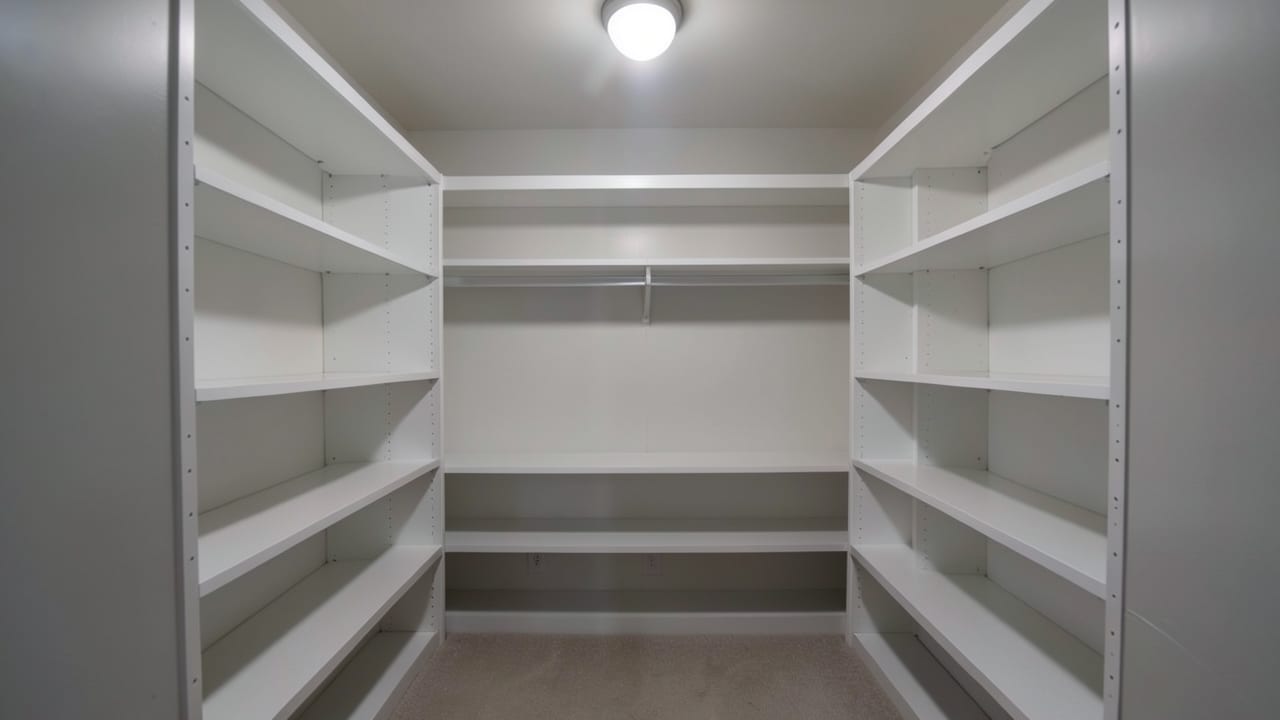
Closet Mold Cleanup in Pacific Beach, CA
Professional cleanup and removal of mold from closets to restore safe, healthy spaces.
Learn More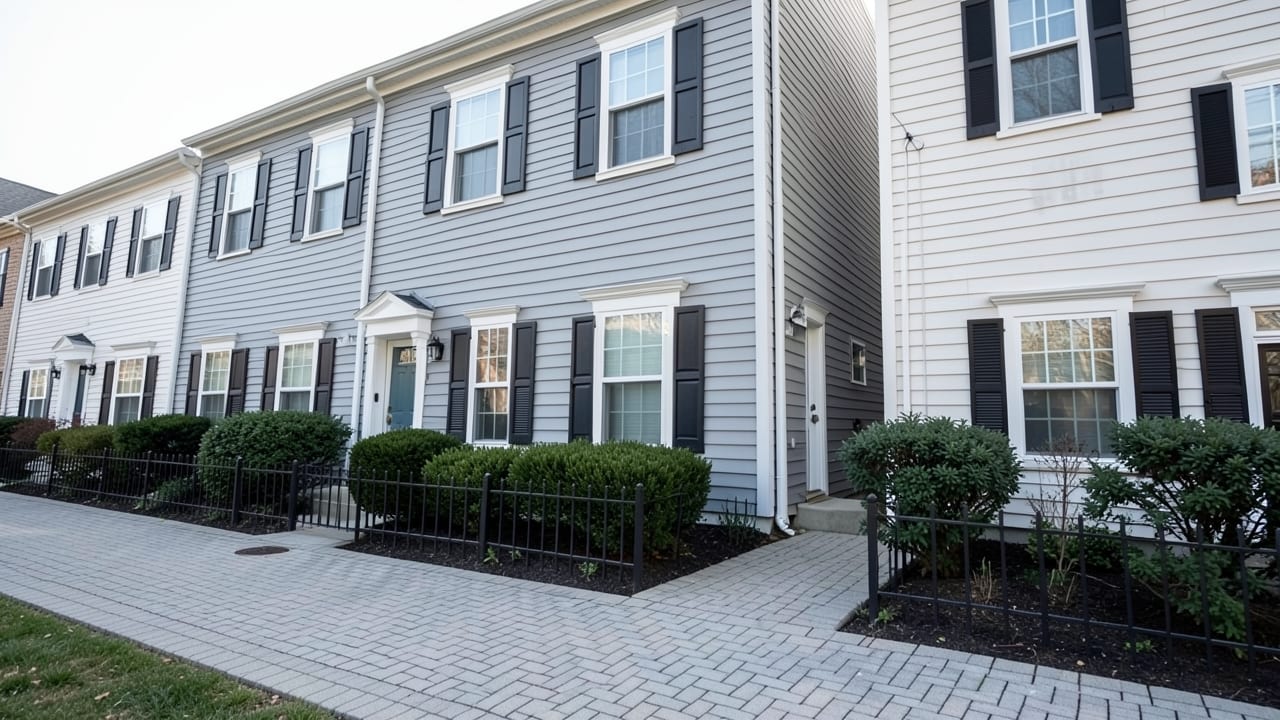
HOA Mold Remediation in Pacific Beach, CA
Professional mold removal and remediation for HOA properties to restore safe, healthy living conditions.
Learn More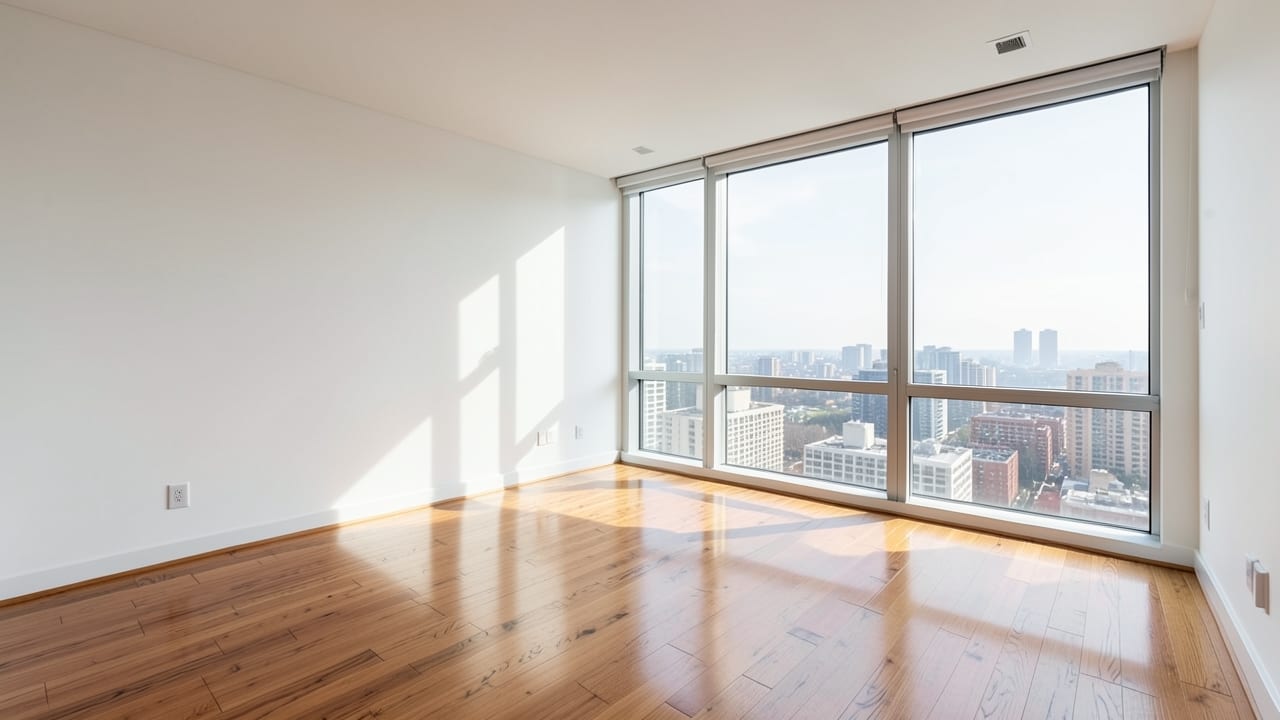
Condo Mold Remediation in Pacific Beach, CA
Professional removal and treatment of mold in condominiums to restore safe, healthy living spaces.
Learn More
Restaurant Mold Remediation in Pacific Beach, CA
Professional mold removal and remediation for restaurant spaces to ensure safety and compliance.
Learn More
Hotel Mold Remediation in Pacific Beach, CA
Professional removal and treatment of mold growth in hotel properties to restore safe, clean environments.
Learn More
Gym Mold Remediation in Pacific Beach, CA
Professional removal and treatment of mold in gyms to restore safe, clean environments.
Learn MoreCommon Questions About Mold Remediation in Pacific Beach
Everything you need to know about mold remediation services in Pacific Beach
How much does Pre-Winter Mold Prevention typically cost in Pacific Beach, CA?
Does coastal humidity around Pacific Beach, CA change how mold risk is assessed?
What's the actual difference between mold removal and mold remediation?
Is a final clearance test part of a typical mold remediation job?
How does mold remediation actually prevent the problem from coming back?
Can mold growing inside HVAC ductwork spread to the rest of a home?
Need Mold Remediation in Pacific Beach?
Connect with local providers in Pacific Beach for a detailed quote.
⏰ We answer your call • Serving all of Pacific Beach and surrounding areas