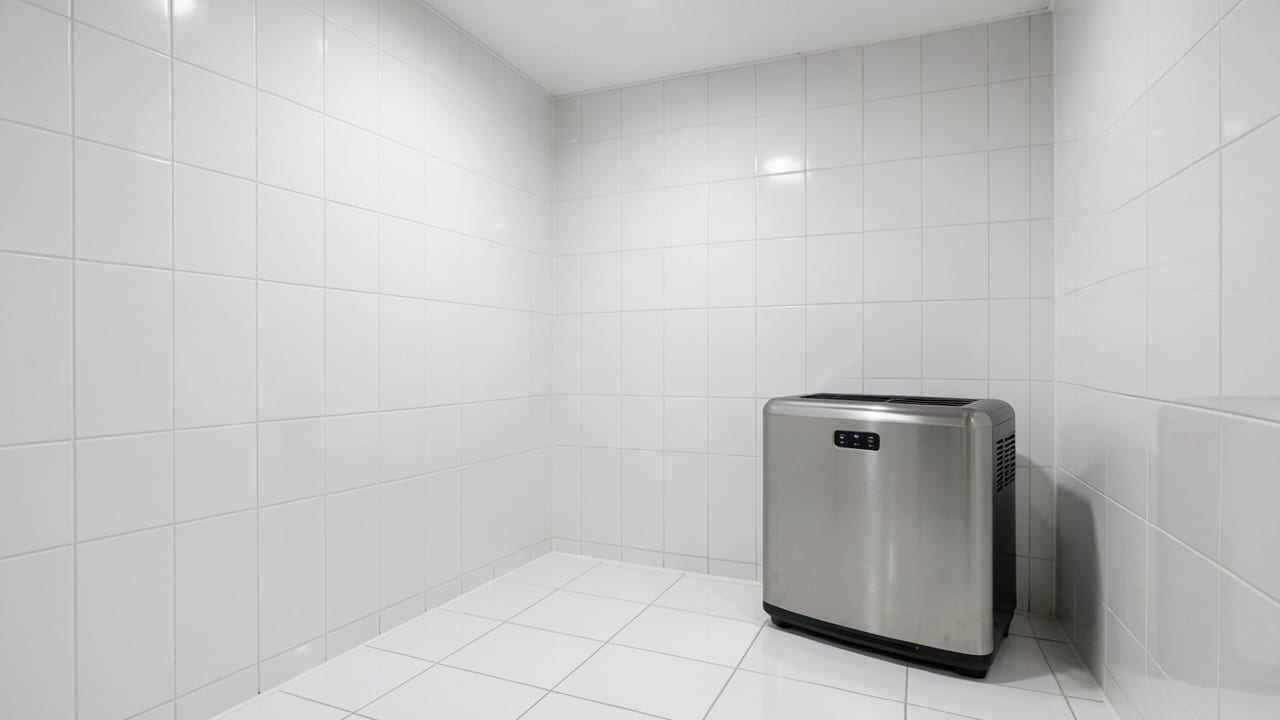
Hotel Mold Remediation
Professional removal and treatment of mold growth in hotel properties to restore safe, clean environments.
Hotel mold remediation in Pacific Beach, CA, involves specialized techniques to safely remove mold from guest rooms, bathrooms, and shared spaces. Proper containment, removal of contaminated materials, and moisture control are critical to preventing spores from spreading and ensuring long-term results.
This process is essential for maintaining a healthy environment in any property where mold has taken hold.
We also handle Mold Prevention & Moisture Control and Mold & Asbestos Testing for Pacific Beach properties.
When to consider mold remediation
Mold growth in Pacific Beach homes often starts small but can quickly become a larger issue if ignored. Visible signs like discoloration on walls or ceilings, a persistent musty odor, or recurring mold after cleaning are clear indicators that professional remediation is needed.
Hidden growth, such as behind walls or under flooring, may also require intervention, especially if the smell intensifies when the HVAC system runs.
In California, mold covering more than 25 contiguous square feet is typically beyond the scope of DIY cleanup and requires a licensed contractor. If mold keeps returning in the same spot, it often means the underlying moisture issue hasn’t been addressed.
Stagnant air in enclosed spaces, like windowless bathrooms or closets, can also contribute to regrowth, making proper ventilation and humidity control key after remediation.
Signs You Need Mold Remediation
- Mold covering more than a small, isolated patch (25+ square feet)
- Recurring mold growth after cleaning the same area
- A musty smell with no visible mold source in the room
- Visible mold growth in multiple rooms or hidden areas (e.g., behind walls, under flooring)
- Damp or humid conditions in enclosed spaces (e.g., windowless bathrooms, basements)
What affects pricing and timeline
The cost and duration of mold remediation in Pacific Beach depend on factors like the size of the affected area, the type of materials involved, and whether hidden growth requires additional work.
Porous materials, such as drywall or carpet padding, are often removed and replaced rather than cleaned, while non-porous surfaces like tile or framing can be treated and restored. Containment, air scrubbing, and clearance testing also add to the total cost.
Additional factors include whether the work disrupts daily life (e.g., requiring after-hours access) and the need for multi-unit coordination in shared spaces like hallways or laundry rooms. Stricter containment and documentation requirements may apply in certain areas, though these are more common in commercial settings.
Prevention after remediation
Even after mold is removed, preventing its return depends on fixing the moisture source and maintaining proper ventilation. Industrial dehumidifiers and air movers are used to dry structural materials thoroughly, but lingering dampness can lead to regrowth.
Small fans or dehumidifiers in persistently damp rooms, like windowless bathrooms or basements, help maintain low humidity levels.
Outdoor factors, such as poor grading or downspouts directing water toward the foundation, can also contribute to moisture issues. Checking humidity levels in previously affected rooms periodically during the first year helps catch early signs of recurrence before it becomes widespread.
Monitor humidity in treated areas with a hygrometer (ideal range: 30-50% relative humidity). Address any new leaks, condensation, or grading issues promptly to reduce the risk of mold returning.
How hotel mold remediation works
This process ensures mold is removed safely and effectively while minimizing disruption to the property.
- 1Containment Setup
Plastic sheeting and negative-air machines seal the affected area to prevent spores from spreading during removal. This step is critical for keeping contamination localized.
- 2Material Removal or Treatment
Porous materials like drywall or carpet padding, which absorb mold, are cut out and bagged inside containment. Non-porous surfaces, such as tile or framing, are scrubbed and treated to kill remaining spores.
- 3HEPA Filtration and Cleanup
HEPA-filtered air scrubbers run continuously to capture airborne spores, and surfaces are vacuumed with HEPA-equipped tools to prevent recirculation. Standard shop vacuums are ineffective for mold cleanup.
- 4Structural Drying
Industrial dehumidifiers and air movers reduce moisture in framing and subfloors to normal levels before the area is closed up. Damp materials left untreated can lead to regrowth.
- 5Clearance Testing
An independent lab tests air or surface samples to confirm spore counts are within normal ranges before containment is removed. This step verifies the remediation was effective.
Frequently asked questions
How do I know if my mold problem is serious enough to require professional remediation?
If mold covers more than 25 square feet, keeps returning after cleaning, or is hidden (e.g., behind walls or under flooring), it’s typically beyond DIY scope. A musty smell with no visible source or mold spreading to multiple rooms also signals the need for professional intervention.
Will mold remediation fix the problem permanently?
Remediation removes existing mold, but preventing recurrence depends on fixing the moisture source (e.g., leaks, poor ventilation) and maintaining low humidity. Without these steps, mold can regrow in the same area.
How long does the remediation process usually take?
The timeline varies based on the size of the affected area, containment requirements, and drying time. Simple jobs may take a day, while larger or complex cases can require several days or longer.
Do I need to leave the house during the remediation process?
It depends on the scope of the work. Small, contained jobs may not require you to leave, but larger projects—especially those involving multiple rooms or shared spaces—often do to minimize disruption and ensure safety.
See Azalea Park, CA for more, or browse our full Pacific Beach-area coverage side by side for our complete lineup.
Ready to get started?
Talk to a local mold remediation pro in Pacific Beach — get a written quote.
Other Mold Remediation Services in Pacific Beach
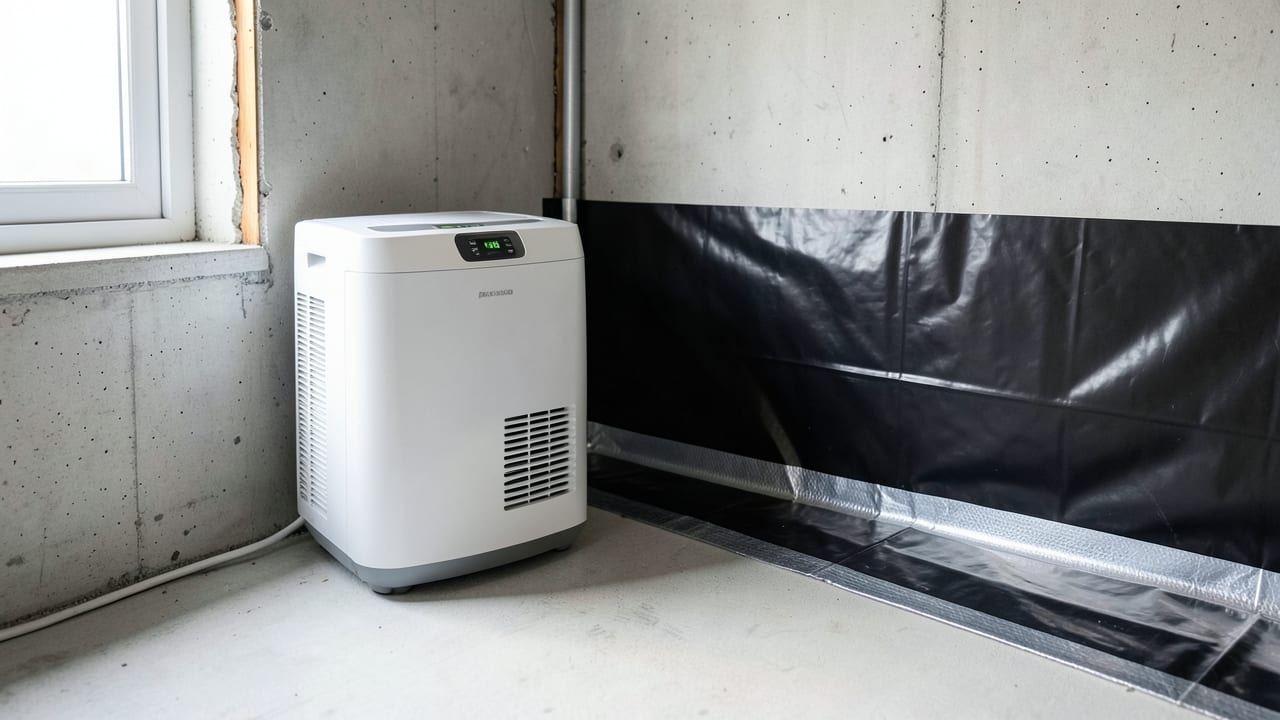
Mold Prevention & Moisture Control in Pacific Beach, CA
Mold prevention and moisture control in Pacific Beach, CA — addressing ventilation, humidity, and drainage before growth starts, not after.
Learn More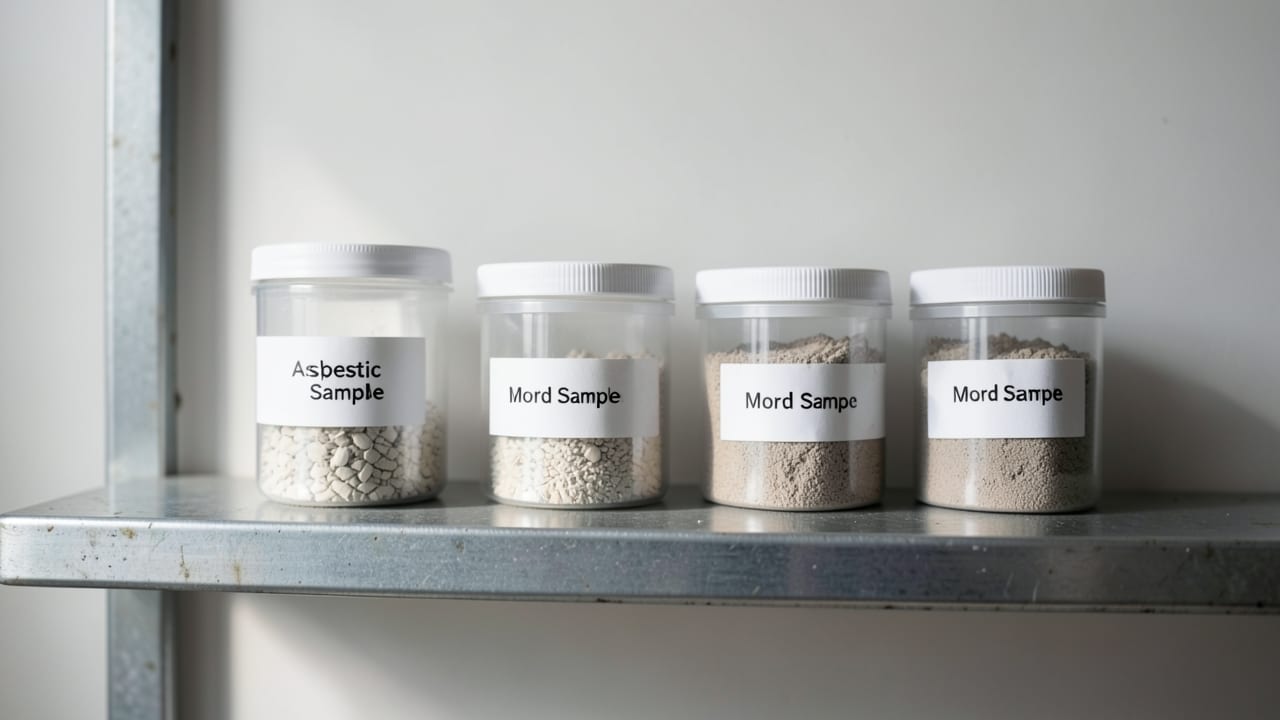
Mold & Asbestos Testing in Pacific Beach, CA
Combined mold and asbestos testing in Pacific Beach, CA — one inspection visit, lab-verified results for both.
Learn More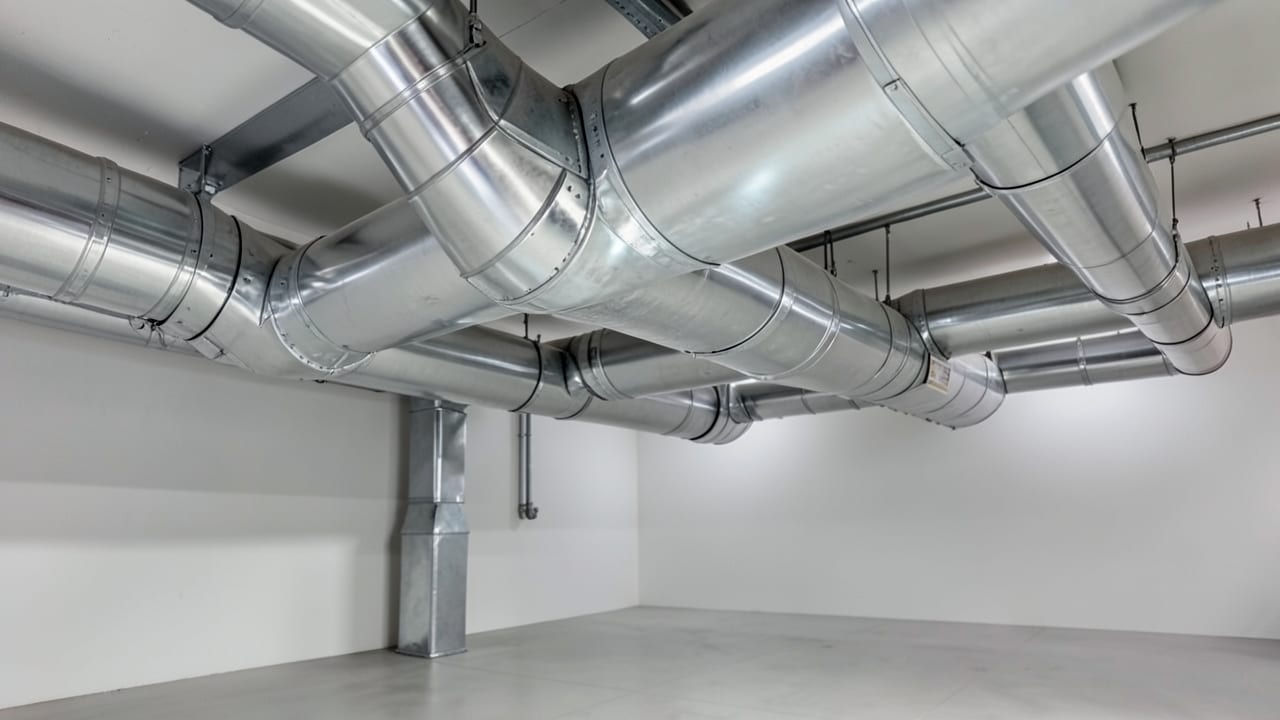
HVAC Mold Remediation in Pacific Beach, CA
HVAC and ductwork mold remediation in Pacific Beach, CA — mold growing inside the air handler or duct system, spreading through every vent.
Learn More
Drywall Mold Remediation in Pacific Beach, CA
Professional removal and treatment of mold growth behind or on drywall surfaces.
Learn More
Bathroom Mold Removal in Pacific Beach, CA
Professional assessment and removal of mold in bathrooms to restore a safe, clean environment.
Learn More
Garage Mold Removal in Pacific Beach, CA
Professional assessment and removal of mold growth in garages to restore a safe, clean space.
Learn MoreCommon Questions About Mold Remediation in Pacific Beach
Everything you need to know about mold remediation services in Pacific Beach
How much does Hotel Mold Remediation typically cost in Pacific Beach, CA?
Does coastal humidity around Pacific Beach, CA change how mold risk is assessed?
How does mold remediation actually prevent the problem from coming back?
Can mold growing inside HVAC ductwork spread to the rest of a home?
Does mold mean the same thing as mildew?
Does homeowners insurance typically cover mold remediation?
Need Mold Remediation in Pacific Beach?
Connect with local providers in Pacific Beach for a detailed quote.
⏰ We answer your call • Serving all of Pacific Beach and surrounding areas