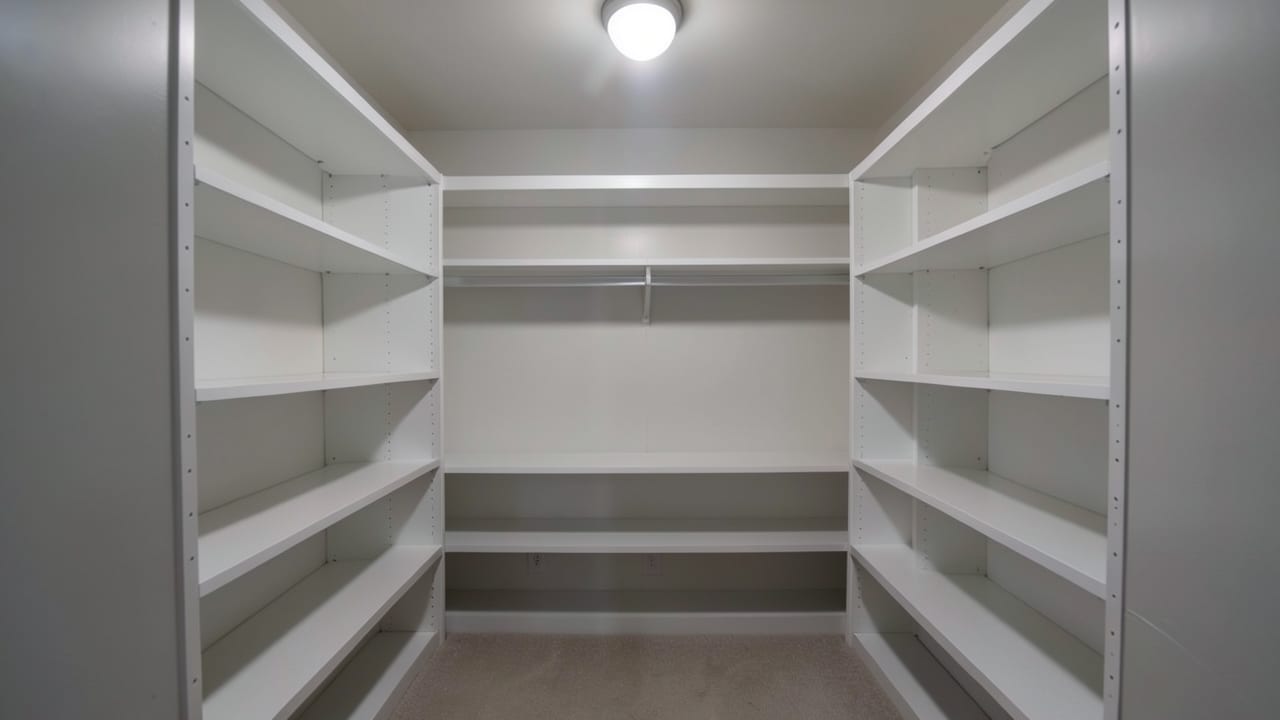
Closet Mold Cleanup
Professional cleanup and removal of mold from closets to restore safe, healthy spaces.
Closet mold cleanup in Pacific Beach addresses hidden moisture problems before they spread through your home. Unlike surface cleaning, professional remediation involves containment, removal of contaminated materials, HEPA filtration, and moisture control to prevent recurrence.
Signs like persistent musty odors, recurring growth, or patches larger than a few square feet often mean the job requires licensed expertise rather than DIY methods.
We also handle Sunroom Mold Remediation and HOA Mold Remediation for Pacific Beach properties.
When closet mold needs professional help
Mold in closets often starts small—faint discoloration on shelves or a faint musty smell—but it can signal a larger issue if ignored.
The key indicators that a problem has outgrown DIY solutions include mold covering more than a few square feet, regrowth after cleaning, or a smell that lingers even after visible traces are removed. These signs suggest hidden moisture sources or extensive contamination that needs professional containment and remediation.
In California, any mold cleanup job costing $500 or more in labor and materials must be performed by a licensed contractor. While smaller jobs may seem manageable, improper removal can spread spores through your home’s air and HVAC system, turning a contained issue into a widespread one.
Professional crews use sealed containment, HEPA filtration, and clearance testing to ensure spores don’t recirculate or return.
Signs Your Closet Mold Requires Professional Remediation
- Mold covers more than a small, isolated patch (typically over 25 contiguous square feet).
- The musty smell persists even after cleaning visible mold or removing affected items.
- Mold keeps returning to the same spot within weeks of cleaning, suggesting a moisture source wasn’t addressed.
- You notice mold growth in other parts of your home after attempting cleanup, indicating spores spread during removal.
What affects the cost and timeline of closet mold cleanup
The scope of the job, not just the size of the mold, drives the final cost. Removing porous materials like drywall or insulation adds labor and disposal fees, while non-porous surfaces like tile or metal framing can often be cleaned and treated on-site.
Hidden moisture sources—such as leaks behind walls or poor ventilation—may require additional work to prevent recurrence, extending both time and cost.
Professional remediation in Pacific Beach typically includes containment, HEPA air scrubbing, material removal or treatment, structural drying, and clearance testing. Skipping steps like containment or testing can lead to higher long-term costs if spores spread or regrowth occurs. Always confirm whether a quote includes all these phases upfront.
Common mistakes that make mold worse
Using standard shop vacuums or non-HEPA air scrubbers during cleanup recirculates spores instead of capturing them, spreading contamination to other areas of your home. Similarly, tearing into walls or flooring without containment risks stirring up spores that can settle in HVAC systems or other rooms.
These oversights often turn a contained job into a larger, more expensive problem.
Fixing only the visible mold without addressing the moisture source—like a leak, condensation, or poor ventilation—leads to regrowth within months. Professional remediation includes identifying and correcting these underlying issues to help prevent future problems. Post-remediation, monitoring humidity levels and airflow in the closet can catch early signs of recurrence.
Skipping containment or clearance testing increases the risk of spores spreading to unaffected areas. Always verify that a contractor uses sealed containment, HEPA filtration, and independent post-remediation testing to confirm the job is complete.
How closet mold cleanup works
Professional remediation follows a structured process to remove mold and prevent its return.
- 1Containment Setup
Plastic sheeting and negative-air machines seal off the closet to prevent spores from escaping during removal. This step ensures airborne spores stay within the work area rather than spreading through hallways or HVAC ducts.
- 2Material Removal or Treatment
Porous materials like drywall or insulation, which absorb mold, are cut out and bagged for disposal. Non-porous surfaces like tile or metal framing are scrubbed with antimicrobial solutions and treated to inhibit future growth.
- 3HEPA Filtration and Cleanup
HEPA air scrubbers run continuously to capture airborne spores, while surfaces are vacuumed with HEPA-filtered equipment. This prevents spores from being recirculated into the air during cleanup.
- 4Structural Drying
Industrial dehumidifiers and air movers dry framing and subflooring to normal moisture levels. Mold regrows on damp materials, so this step is critical to prevent recurrence.
- 5Clearance Testing
An independent lab tests air or surface samples to confirm spore counts are back to normal levels before containment is removed. This step verifies the remediation was effective.
Frequently asked questions
How do I know if my closet mold is too big for DIY cleanup?
If the mold covers more than 25 square feet or keeps returning after cleaning, it’s likely past DIY scale. Recurring growth or a musty smell with no visible mold also signals hidden moisture or extensive contamination that requires professional containment and testing.
Will my closet smell musty again after remediation?
Post-remediation odors can linger if moisture sources aren’t fixed or if spores remain trapped in materials. Professional crews use HEPA filtration and clearance testing to reduce this risk, but monitoring humidity and airflow in the closet afterward helps catch early signs of recurrence.
Do I need to replace my closet shelves or stored items after mold cleanup?
Non-porous items like metal shelves or sealed containers can often be cleaned and disinfected. Porous materials like wood or fabric may need replacement if they absorbed mold deeply. A professional can assess which items are salvageable during the inspection.
How long does it take to remediate a moldy closet?
The timeline depends on the contamination level and whether hidden moisture sources need fixing. Containment, removal, drying, and testing can take 1–3 days for a single closet, with additional time if structural repairs or moisture control measures are required.
See Columbia, CA for more, or discover every option available in Pacific Beach side by side for our complete lineup.
Ready to get started?
Talk to a local mold remediation pro in Pacific Beach — get a written quote.
Other Mold Remediation Services in Pacific Beach
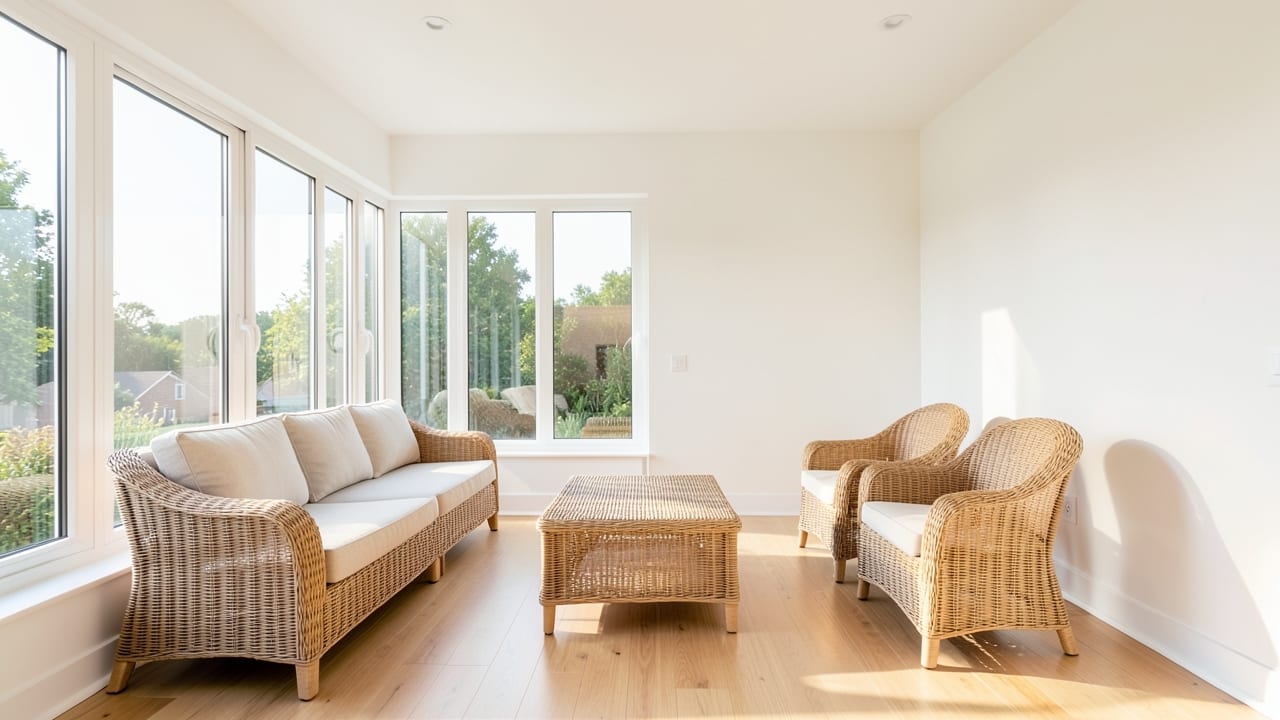
Sunroom Mold Remediation in Pacific Beach, CA
Professional removal and treatment of mold in sunrooms to restore a safe, clean space.
Learn More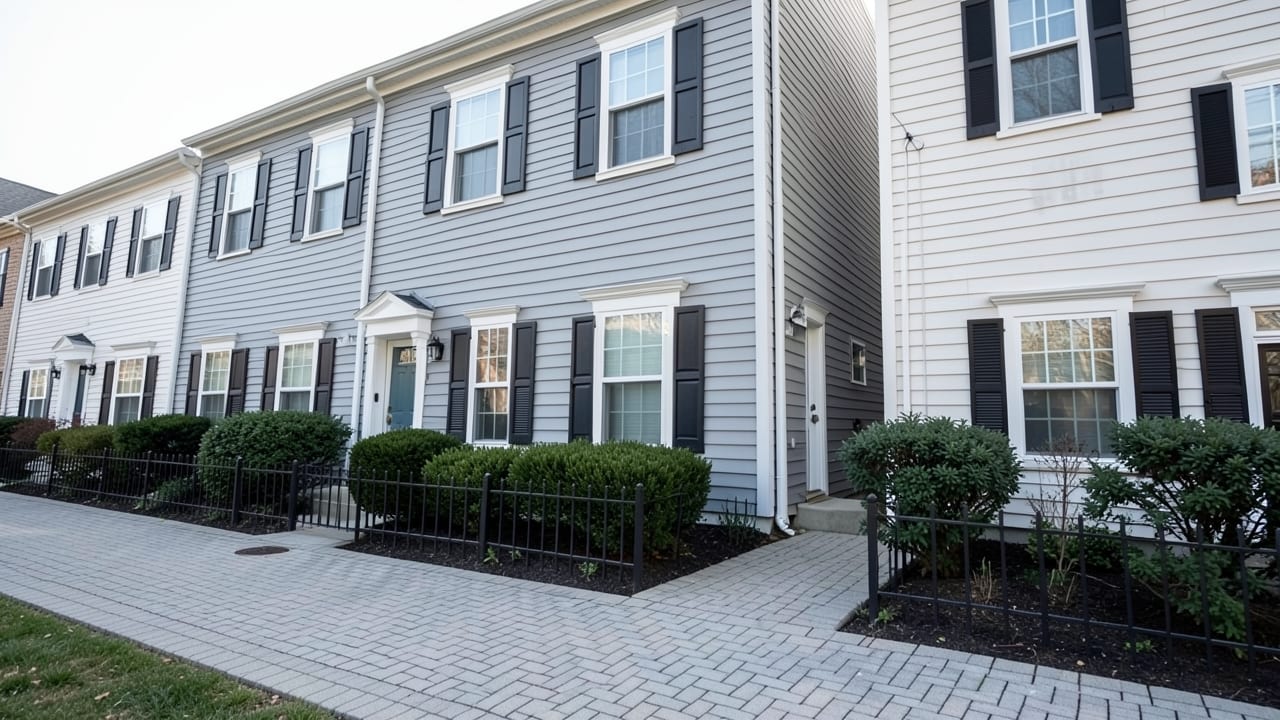
HOA Mold Remediation in Pacific Beach, CA
Professional mold removal and remediation for HOA properties to restore safe, healthy living conditions.
Learn More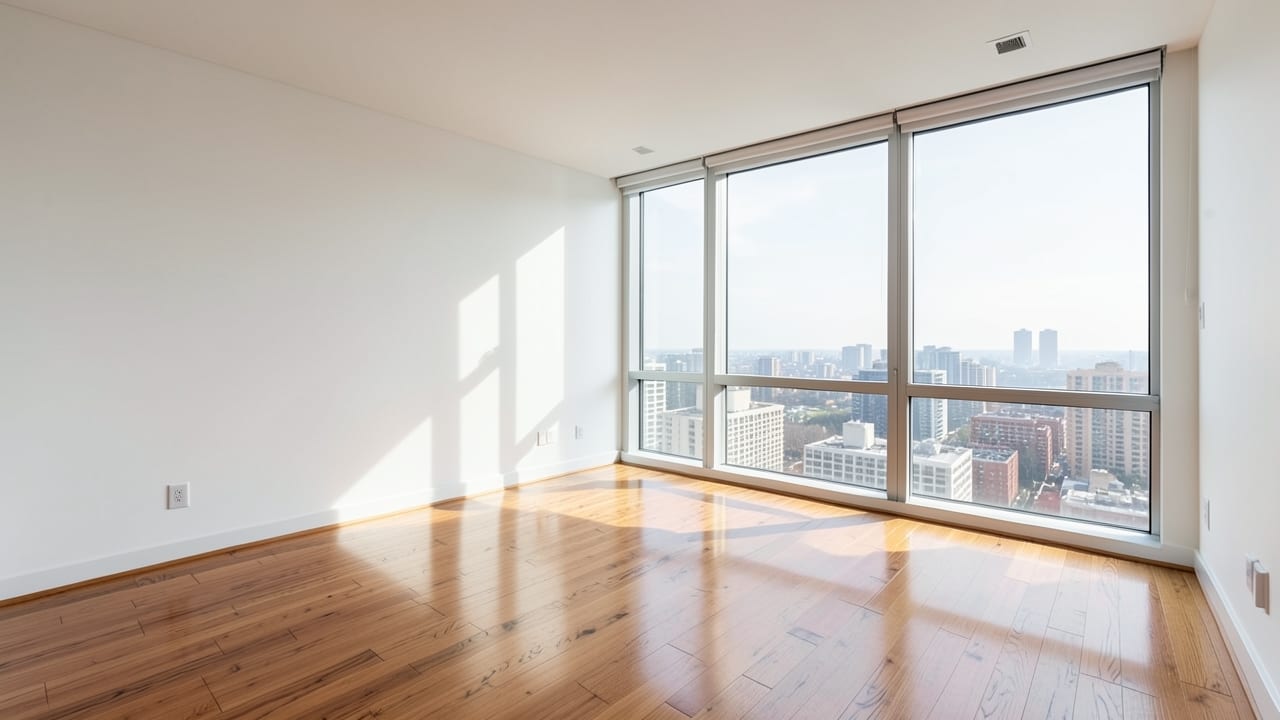
Condo Mold Remediation in Pacific Beach, CA
Professional removal and treatment of mold in condominiums to restore safe, healthy living spaces.
Learn More
Restaurant Mold Remediation in Pacific Beach, CA
Professional mold removal and remediation for restaurant spaces to ensure safety and compliance.
Learn More
Hotel Mold Remediation in Pacific Beach, CA
Professional removal and treatment of mold growth in hotel properties to restore safe, clean environments.
Learn More
Gym Mold Remediation in Pacific Beach, CA
Professional removal and treatment of mold in gyms to restore safe, clean environments.
Learn MoreCommon Questions About Mold Remediation in Pacific Beach
Everything you need to know about mold remediation services in Pacific Beach
How much does Closet Mold Cleanup typically cost in Pacific Beach, CA?
Does coastal humidity around Pacific Beach, CA change how mold risk is assessed?
Is a final clearance test part of a typical mold remediation job?
How does mold remediation actually prevent the problem from coming back?
Can mold growing inside HVAC ductwork spread to the rest of a home?
Does mold mean the same thing as mildew?
Need Mold Remediation in Pacific Beach?
Connect with local providers in Pacific Beach for a detailed quote.
⏰ We answer your call • Serving all of Pacific Beach and surrounding areas